
When most people think of sunsets in Oregon, they picture the dramatic coastline or maybe a city skyline. But Marys Peak offers a truly unique experience; a place where ocean horizons and towering mountain ranges come together in one breathtaking panorama. As the highest point in the Oregon Coast Range, Marys Peak sits just west of Corvallis at 1,249 metres (4,097 feet), granting sweeping views of the Pacific Ocean, the Cascade Mountains, and the Willamette Valley below.
What really makes Marys Peak stand out is the rare chance to watch the sun set over the ocean while still being surrounded by forested mountains and open alpine meadows. This layering of landscapes creates a dynamic, ever-changing scene that’s a dream for photographers, nature lovers, and anyone wanting to connect with Oregon’s wild beauty.
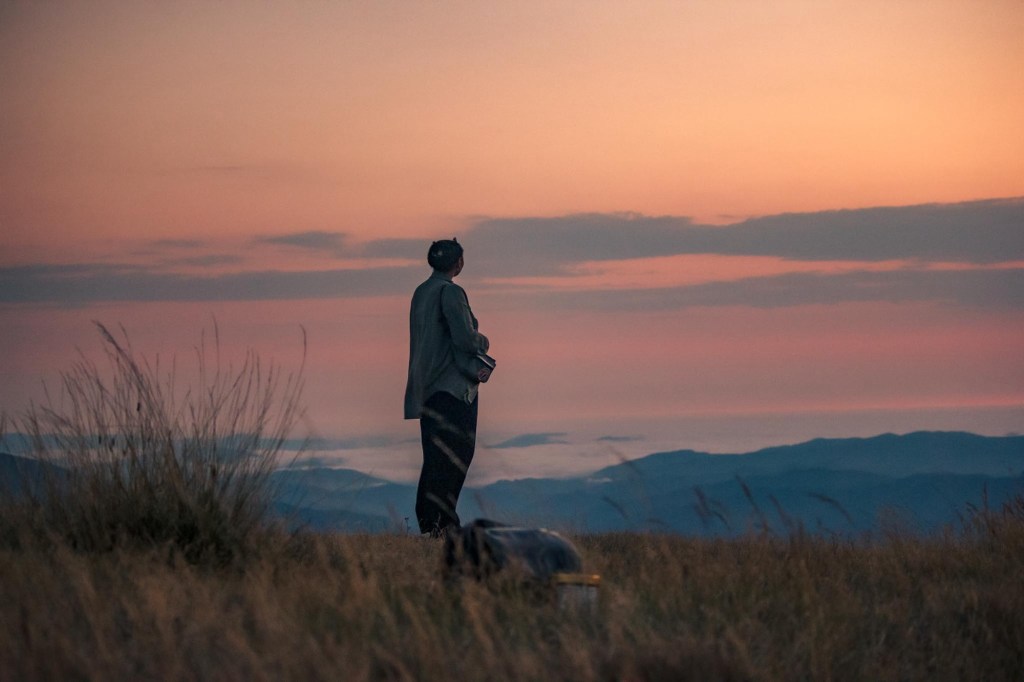
What Sets Marys Peak Apart From Other Sunset Spots?
Most famous Oregon sunsets ask you to choose: do you want coastal waves or mountain peaks? Marys Peak offers both. From the summit, you can see the sun lowering behind the ocean to the west, while snow-capped peaks like Mount Hood and the Three Sisters glow in the fading light to the east. Between these, the patchwork of the Willamette Valley adds lush greens and golden fields to the view.
The summit itself features expansive meadows that bloom with wildflowers during spring and summer, providing perfect foreground interest for photos and a serene place to sit and watch the sky shift colour. Because the peak is less visited than coastal beaches, the atmosphere is peaceful and intimate, so you won’t be jostling for a spot on the rocks or battling crowds.
Getting There and Planning Your Visit
Marys Peak is about a 45-minute drive from Corvallis or roughly two hours from Portland. The paved Marys Peak Road takes you close to the summit, but it’s narrow and winding, so drive carefully and be prepared for seasonal closures. Historically, the road is open from late spring through early autumn, but recently the forest service has decided to leave it open year round. It is, however, not maintained or cleared of snow in the winter, so use you judgment and caution if you decide to visit in the winter season.
At the summit parking area, you’ll find vault toilets but no running water or trash bins, so bring everything you need and pack out what you bring in. A day-use fee of $5 applies, payable onsite, or you can use an America the Beautiful Pass if you have one. Cash is not accepted at the automated kiosk.
From the parking lot, the summit trail is a short and gentle walk of about 0.9 kilometres (0.6 miles), gaining roughly 100 metres (330 feet) in elevation. It’s an easy hike suitable for most people, and the trail winds through open meadows dotted with wildflowers and offers plenty of spots to pause and take in the views.
Timing Your Sunset Visit
For the clearest and most vibrant sunsets, the best time to visit is between late spring and early autumn when the road is open and skies tend to be clearer. Aim to arrive at least an hour before sunset to give yourself time to hike to the summit, find a comfortable spot, and soak in the golden hour light.
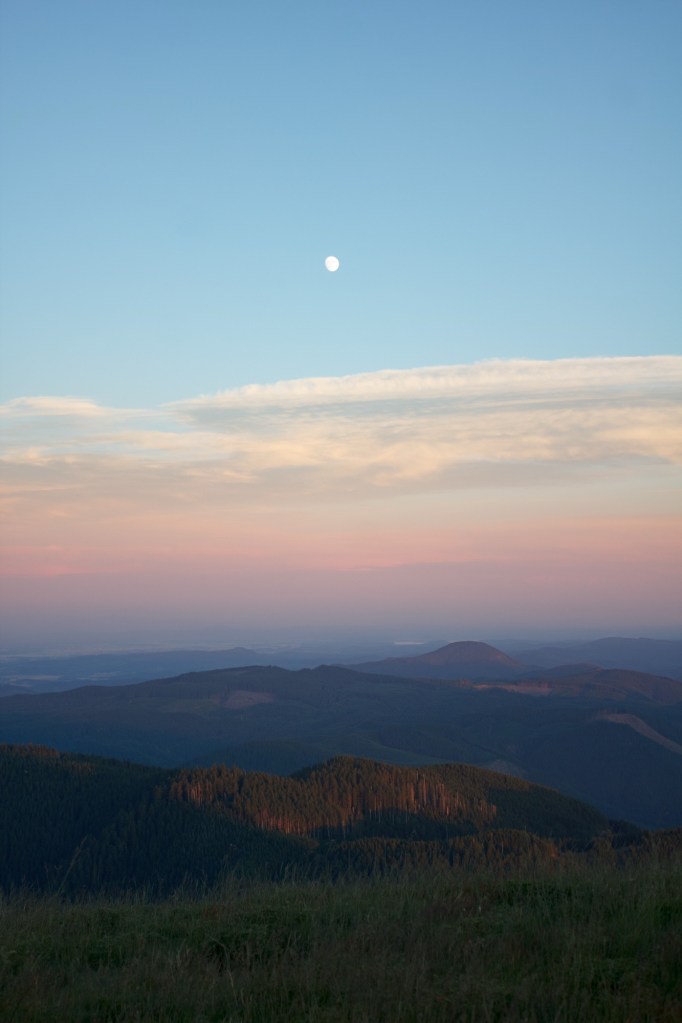
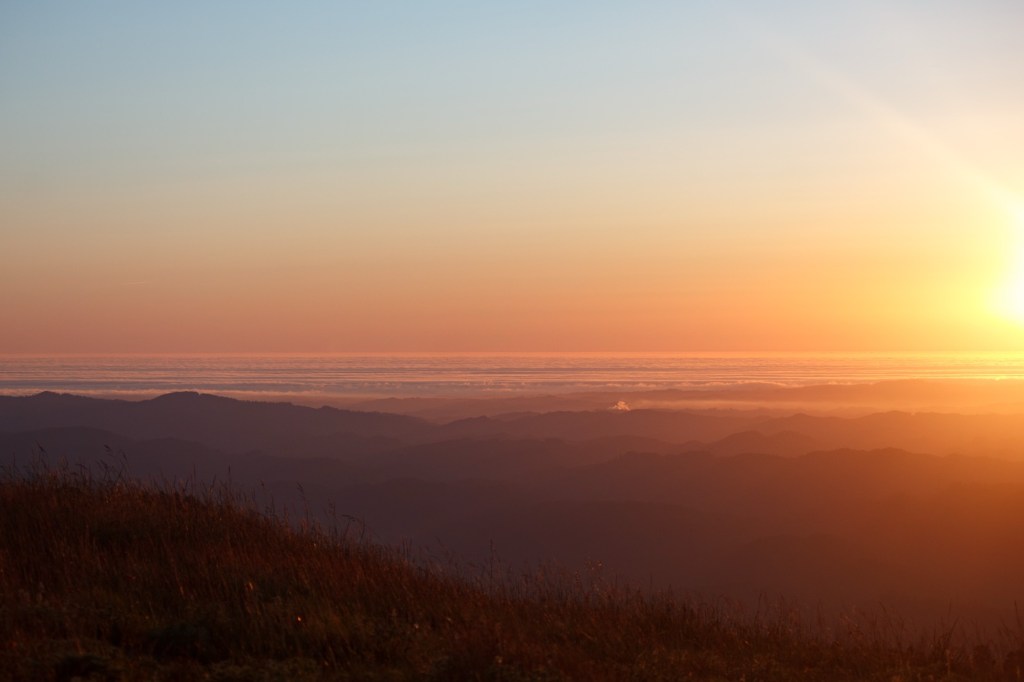
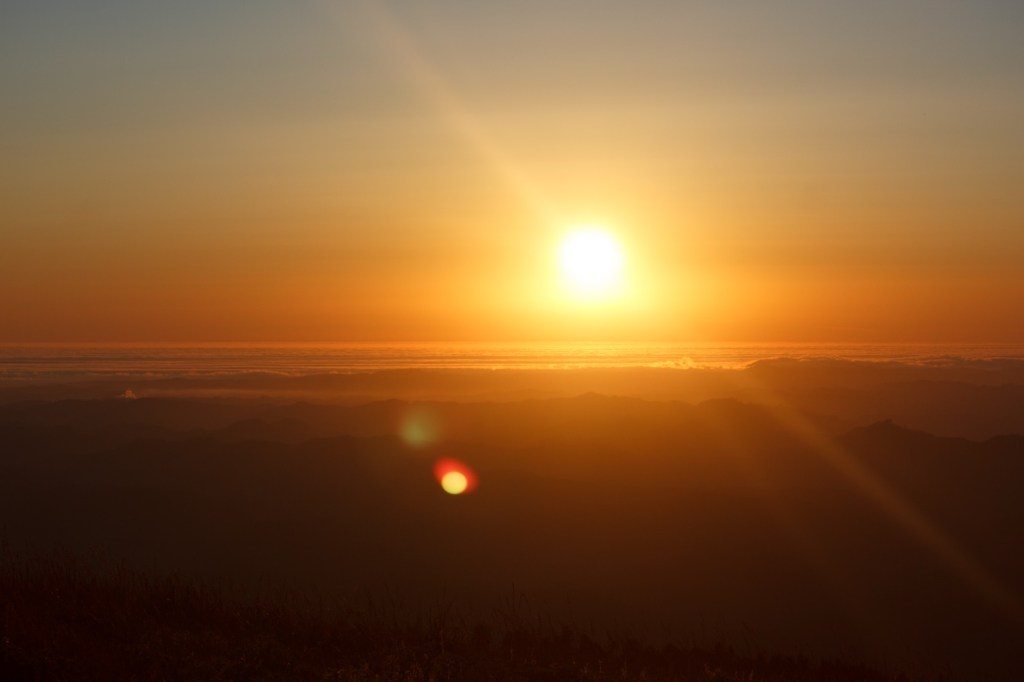
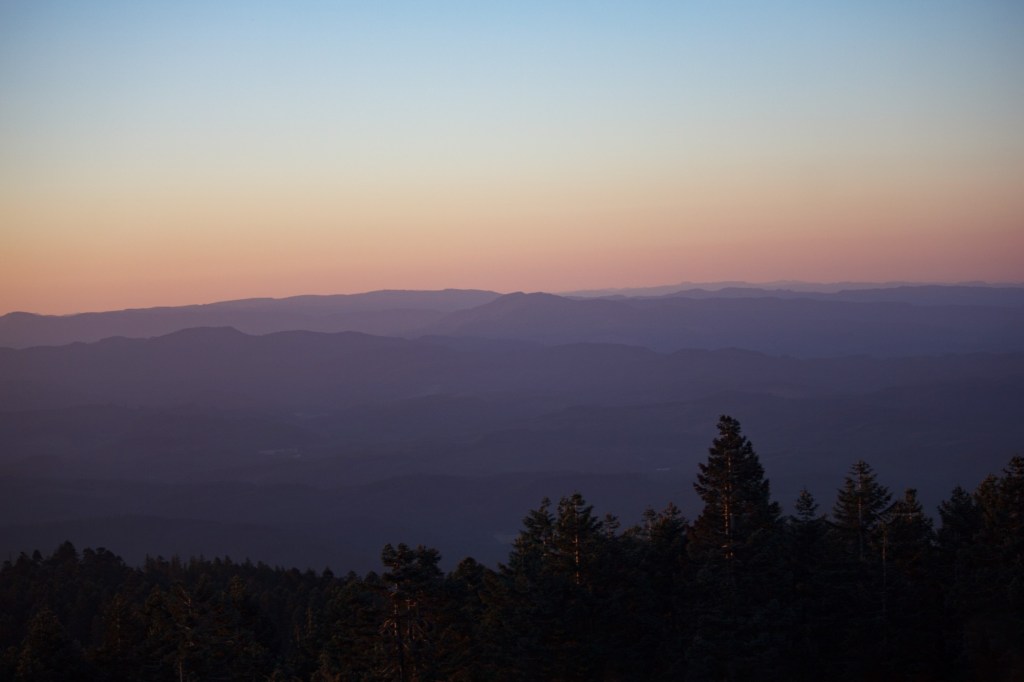
Even if the sky is partly cloudy, you might be treated to stunning bursts of colour as sunlight filters through the clouds. On clearer nights, the gradual fade from golden to deep purples and blues during the blue hour makes for spectacular photography opportunities.
What to Bring for a Comfortable and Memorable Experience
Weather on the summit can be unpredictable. Even in summer, temperatures often drop quickly after sunset, and wind can be strong. Bring warm layers and a windbreaker to stay comfortable while you watch the show.
Packing water and snacks is essential since there are no services at the peak. Consider bringing a blanket or lightweight camping chairs so you can relax while you wait. If you plan to stay after dark, a headlamp or flashlight is a must for the walk back.
For photographers, a tripod is invaluable to capture sharp images during low light. Wide-angle lenses help you frame the vast landscape and sky, while neutral density (ND) filters can balance the bright sky with the darker foreground.
Photography Tips for Marys Peak Sunset
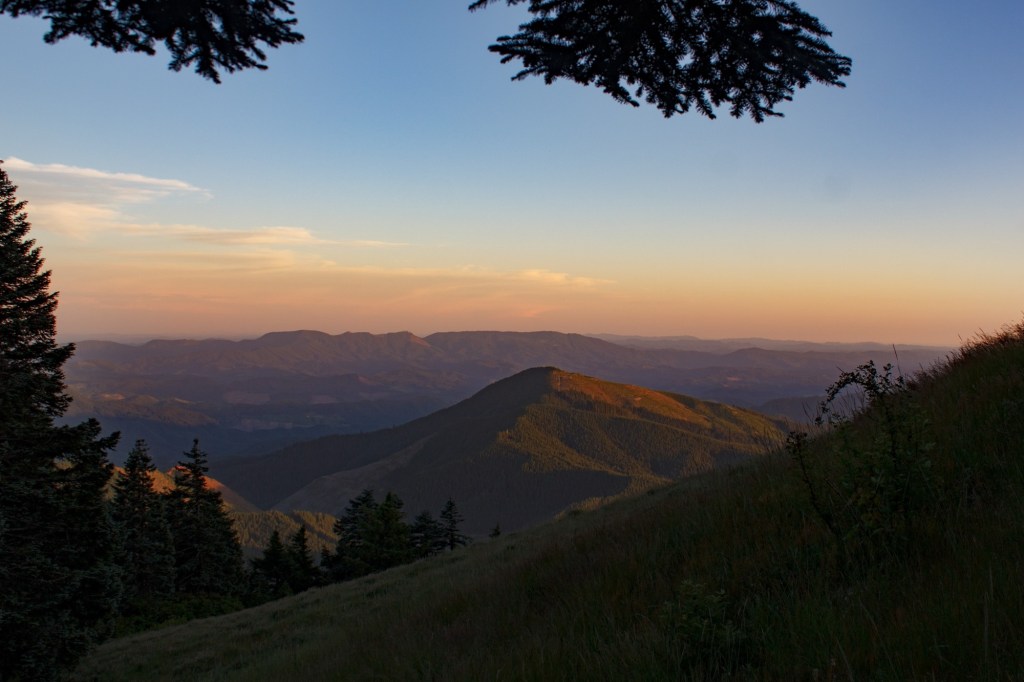
Arriving early allows you to scout the area and find compositions that use natural frames like trees or wildflowers in the foreground. Try shooting wide to show the layers of mountains, valley, and ocean together, but also zoom in to catch silhouette shots of trees against the colourful sky.
A Sunset Date Idea at Marys Peak
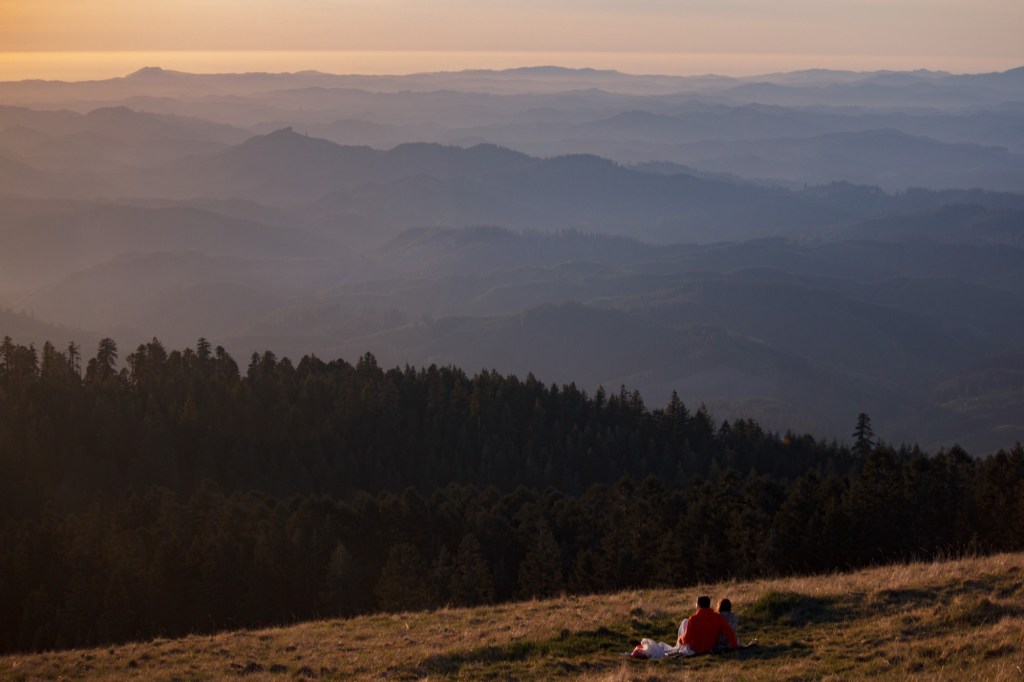
If you’re planning a romantic outing, Marys Peak is a magical choice. Pick a clear evening in summer or early fall, and arrive early to hike the trail together. Bring a picnic with your favourite snacks or drinks, and a cozy blanket.
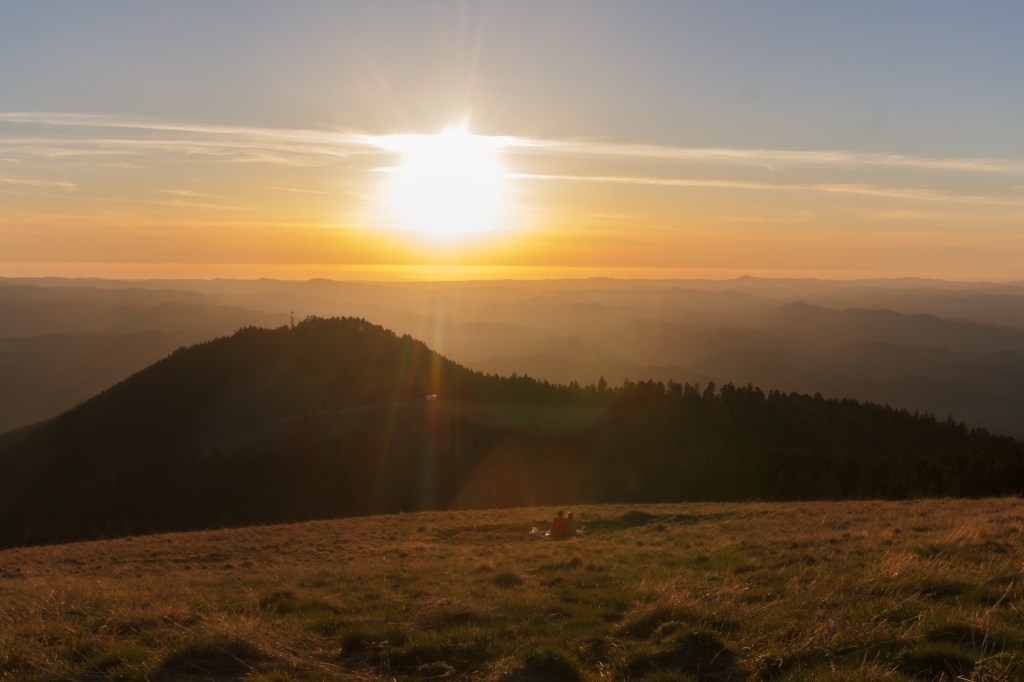
Find a quiet spot in the alpine meadow or near a viewpoint, and enjoy watching the sun paint the sky while sharing the peaceful atmosphere. After the sun sets, stay a bit longer to stargaze. The lack of city lights means the night sky is clear and bright. But keep in mind that the day use area closes at 10pm.

Final Thoughts
Marys Peak offers a sunset experience that combines some of Oregon’s most iconic landscapes into one unforgettable view. The peacefulness, natural beauty, and dramatic light make it a favorite spot for locals and visitors alike.
Whether you’re an avid photographer, an outdoor enthusiast, or simply someone who appreciates a great sunset, Marys Peak delivers in every way. It’s a place to slow down, breathe deeply, and remember why Oregon’s wild places feel so special.

 Landscape Lens
Leave a reply to stephelinda Cancel reply