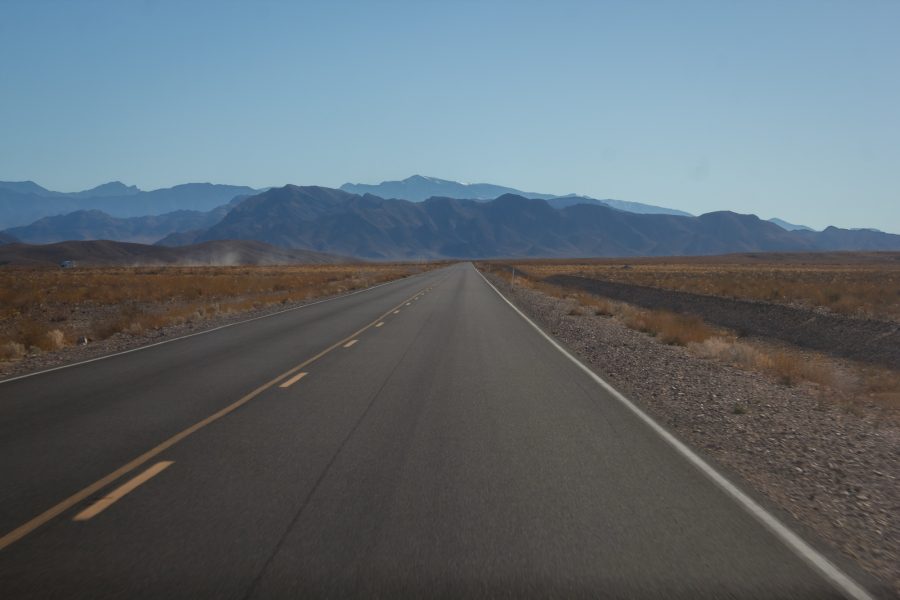
Day 1: From Corvallis to a central California
The journey began in Oregon, with a full day of driving south towards California. By the time night fell, we were somewhere near Sacramento, looking for a place to camp. Luckily, BLM (Bureau of Land Management) land allows free camping, so we pulled off the road and pitched our tent beneath a pine tree, surrounded by soft, snow-dusted ground. The unexpected snowfall made for a cozy, quiet night, but the real highlight was the sky.
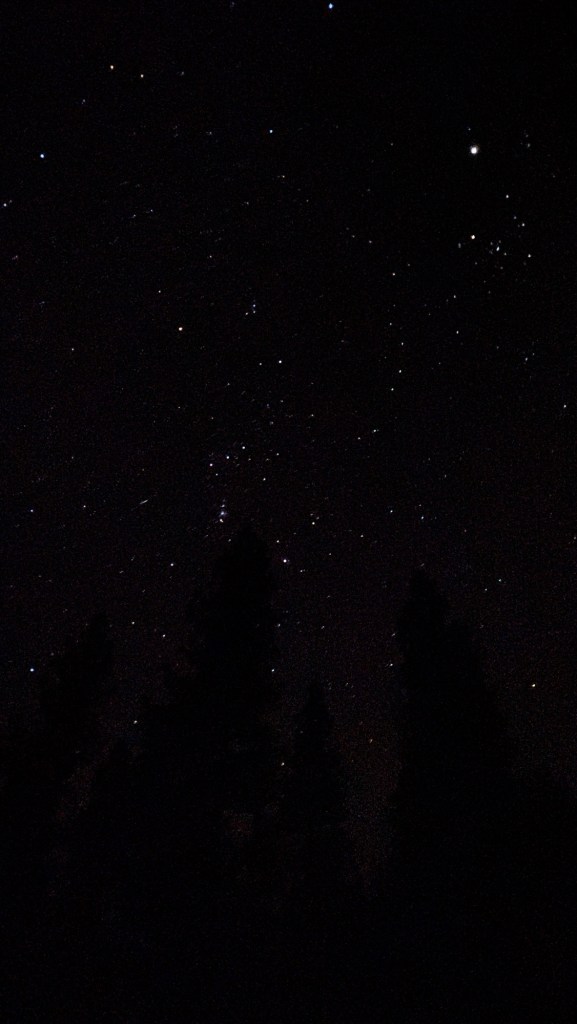

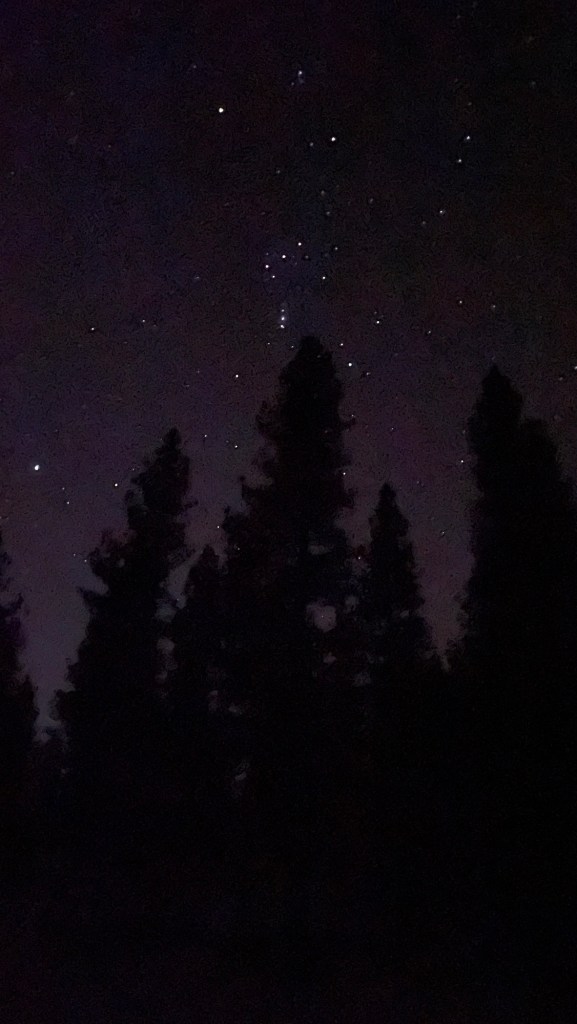
The stars were breathtaking. Later, we found out there was some kind of astronomical event happening that night, but even without knowing, it felt special. The sheer depth of the night sky stretching endlessly above us made the long drive worth it.
Day 2: Arriving in Death Valley at Sunset
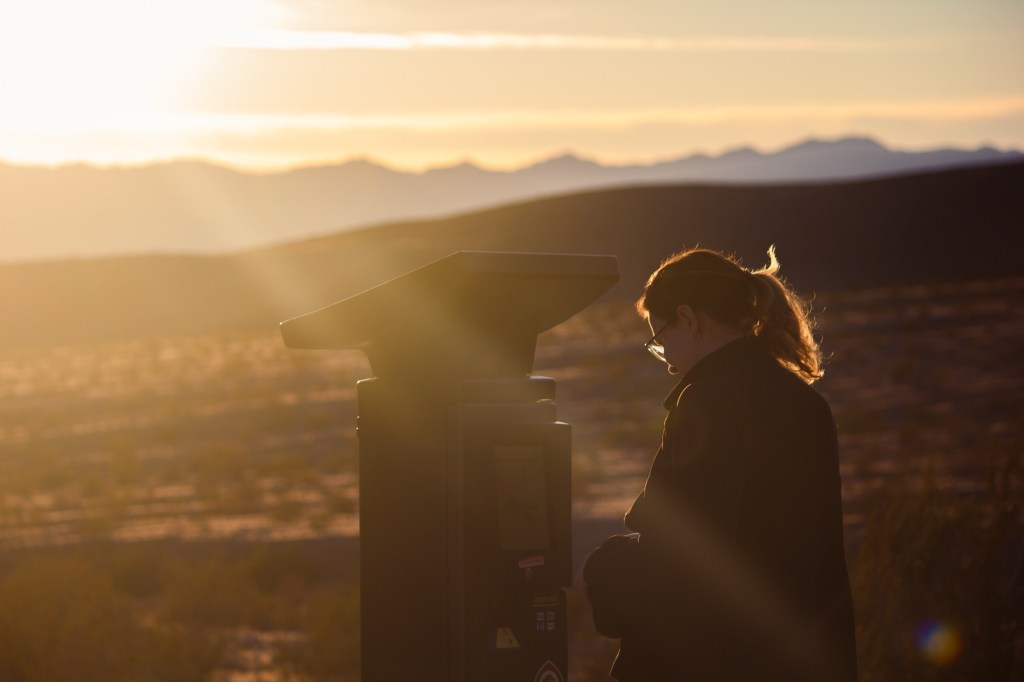
Another full day of driving brought us to Death Valley National Park. We arrived at the perfect moment, as we entered the park, the air was thick with dust, creating surreal beams of golden light cutting through the desert. The whole landscape was bathed in deep, saturated colors, shifting from gold to amber to fiery orange.
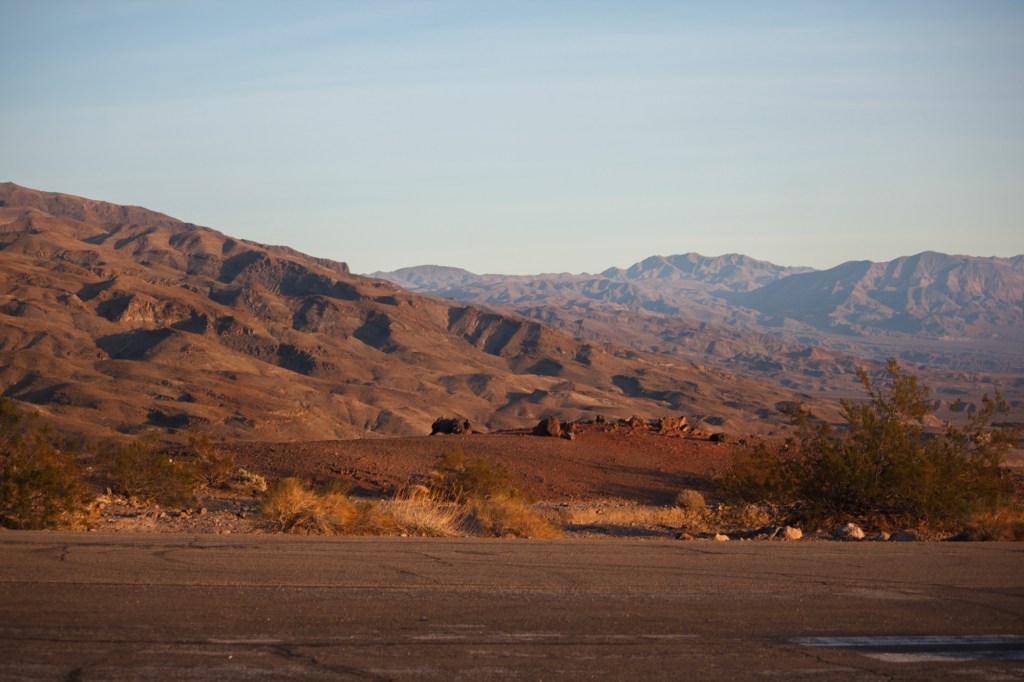

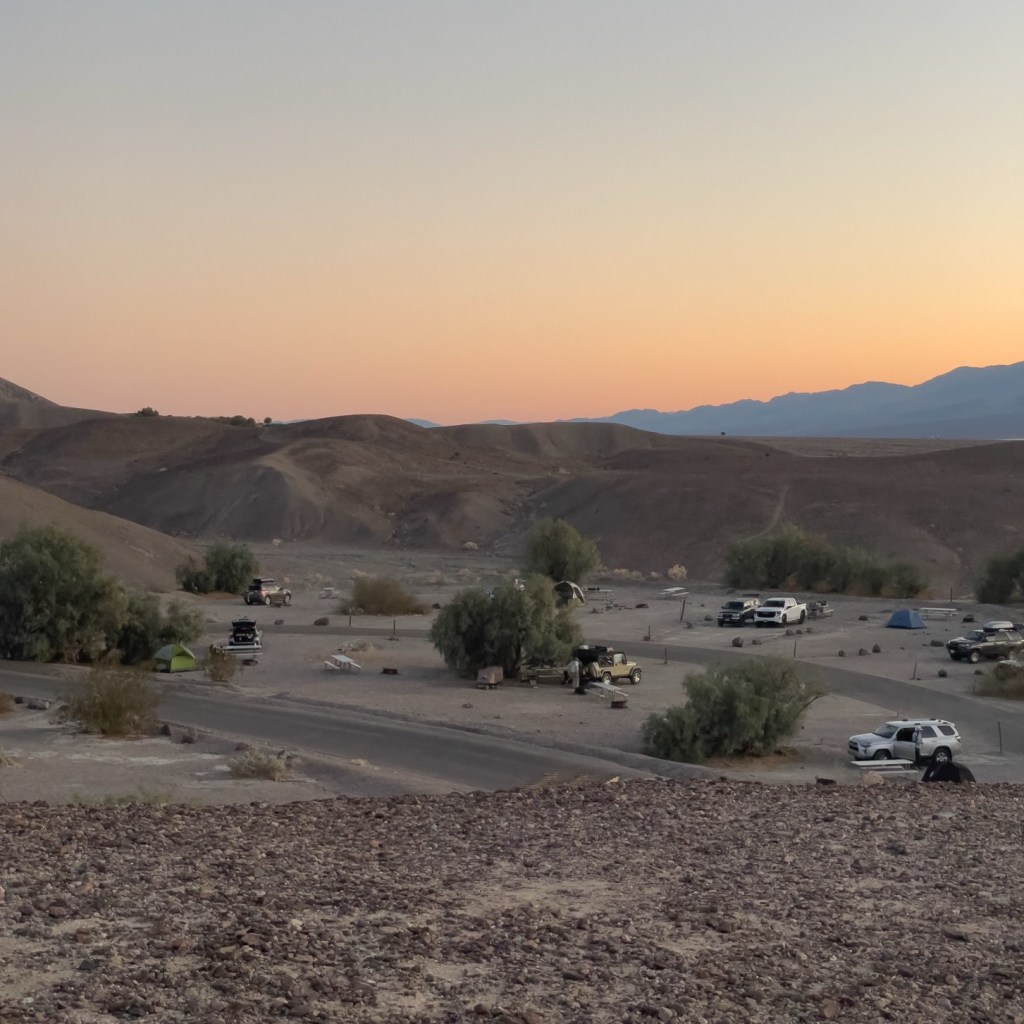
We found a campsite where reservations weren’t required, just a first-come, first-served setup. After a long day in the car, it felt amazing to set up camp, eat dinner, and just take in the quiet of the desert night.
Day 3: Exploring Death Valley
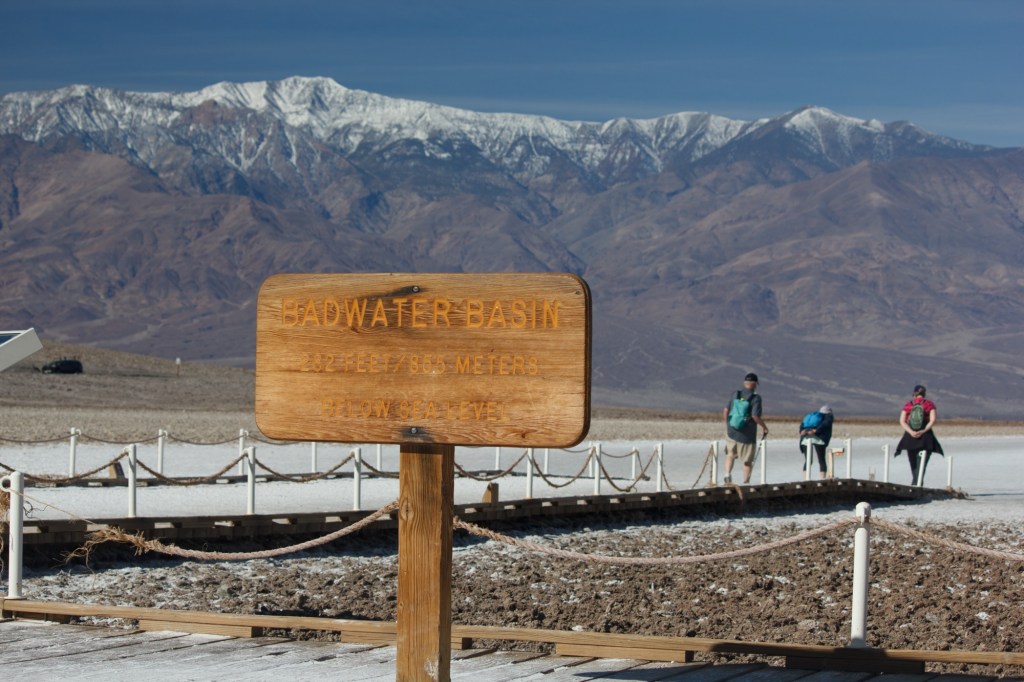
Our first full day in a National Park since days of traveling. Waking up in Death Valley National Park felt surreal. I caught a glimpse of sunrise from the tent, and while I didn’t step outside to fully take it in (which I now regret), it was still an unforgettable arrival to one of the most extreme landscapes on Earth. Our first stop of the day was Badwater Basin, the lowest point in North America at 282 feet below sea level.
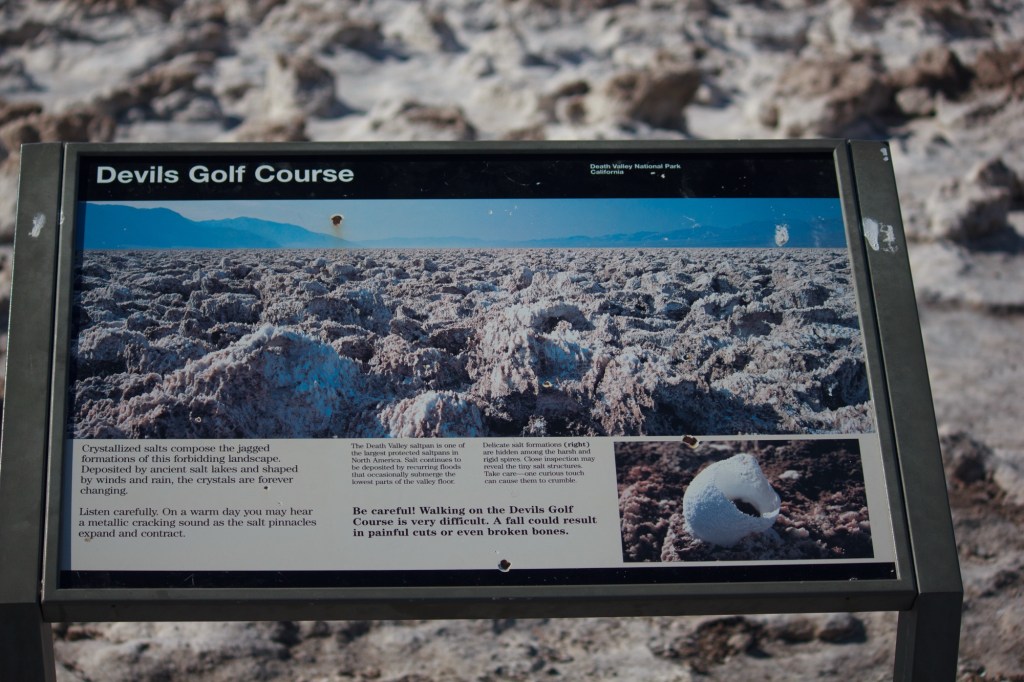

From there, we made our way to Devil’s Golf Course, a lumpy expanse of salt formations. The formations were rough, uneven, and sharp enough to cut skin if you’re not careful.
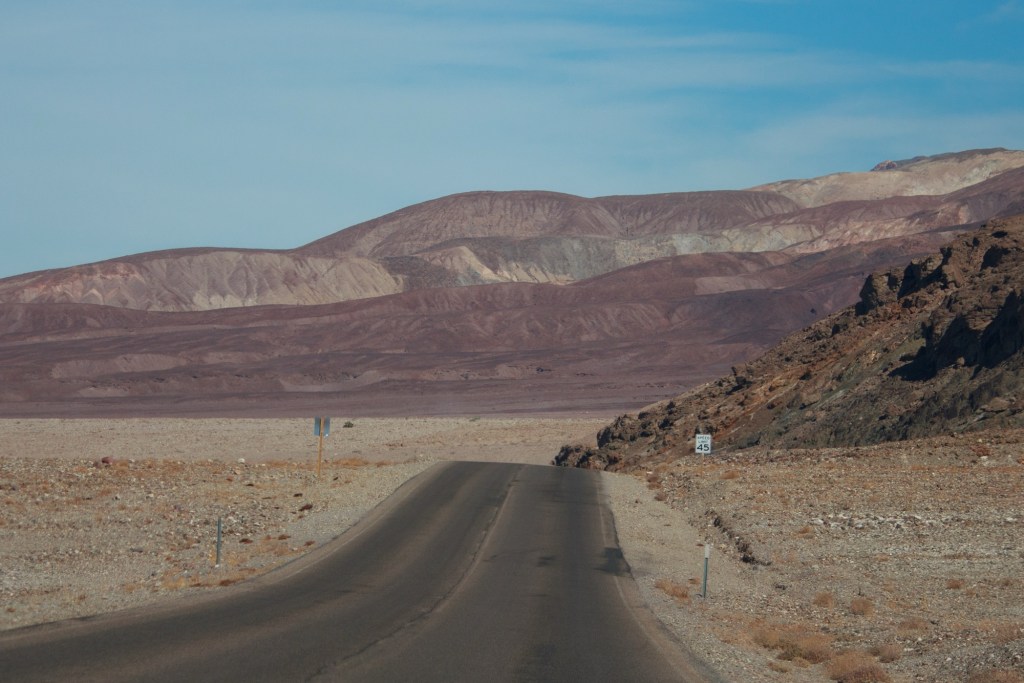

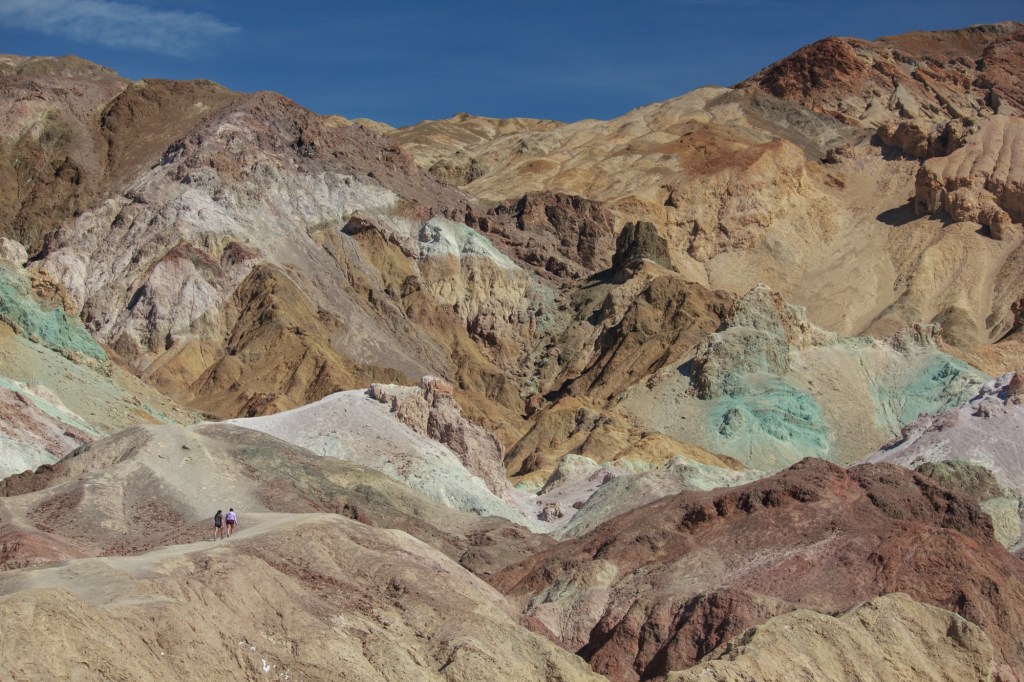
After that, we continued on to Artist’s Drive and Artist’s Palette, one of the most visually stunning parts of the park. The one-way scenic road winds through vibrant mineral-streaked hills, leading to a viewpoint where the landscape looks like it’s been painted in shades of pink, green, purple, and blue. Seeing it in person was spectacular, even though I was there around noon so the lighting was nothing spectacular.

The Golden Canyon hike to Red Cathedral in Death Valley National Park is a 2-mile (3.2 km) round-trip adventure that showcases some of the most stunning desert landscapes in the area. The trail winds through the canyon’s striking yellow walls, a result of its unique mineral content. As you hike, you’ll encounter towering canyon walls, colorful side canyons, and the remnants of ancient water ripples, all while surrounded by the quiet beauty of the desert. This easy-to-moderate hike has a short rock scramble, making it accessible for most visitors. If you’d like a bit of a longer hike, I recommend veering off on the Manly Beacon loop trail back to the parking lot. The canyon also holds a fascinating history, with part of the trail once being a road that was reclaimed by a flash flood. For anyone looking to explore Death Valley’s natural beauty up close, the Golden Canyon hike is an unforgettable experience.
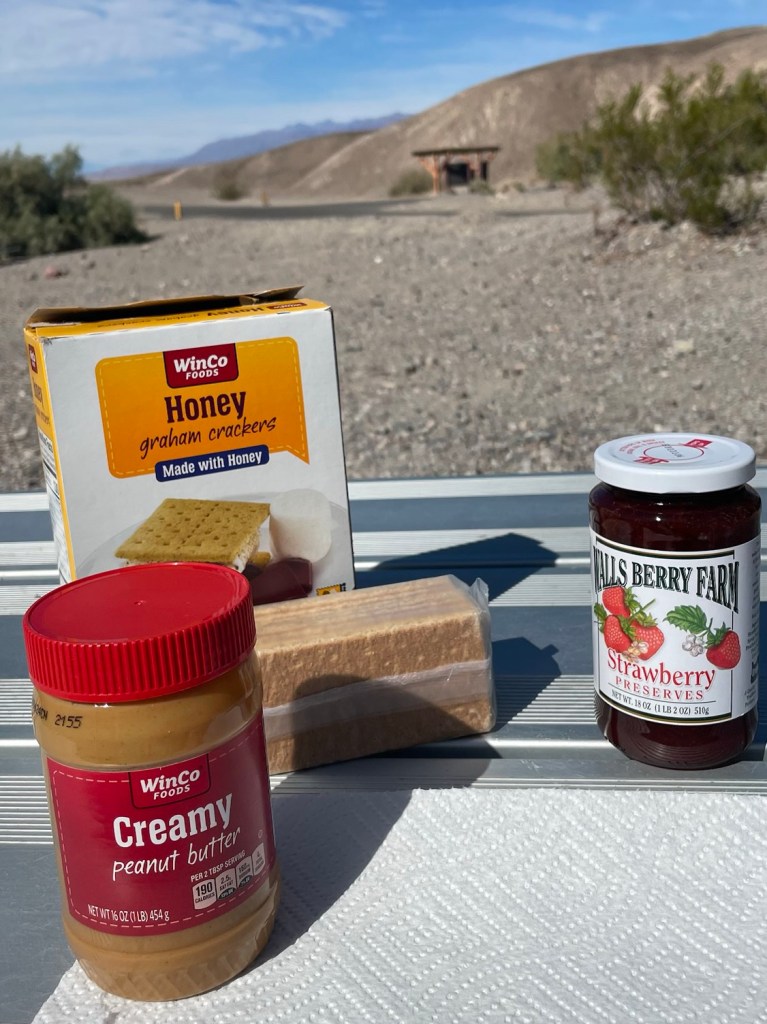

After finishing our drive, we headed back to camp for a much-needed break. As we sat down for a snack, we noticed two birds darting across the ground nearby. They were fast—almost comically so—zipping between bushes and kicking up dust as they ran. Without cell service, we couldn’t look them up, but we had a feeling they were something special. Later, we realised they were roadrunners, which made the sighting even cooler. It felt like a fitting wildlife encounter in a place as wild and untamed as Death Valley.

As the afternoon heat faded, we headed to Zabriskie Point, one of Death Valley’s most famous viewpoints. Standing there, watching the sun dip behind the mountains, the entire landscape transformed.

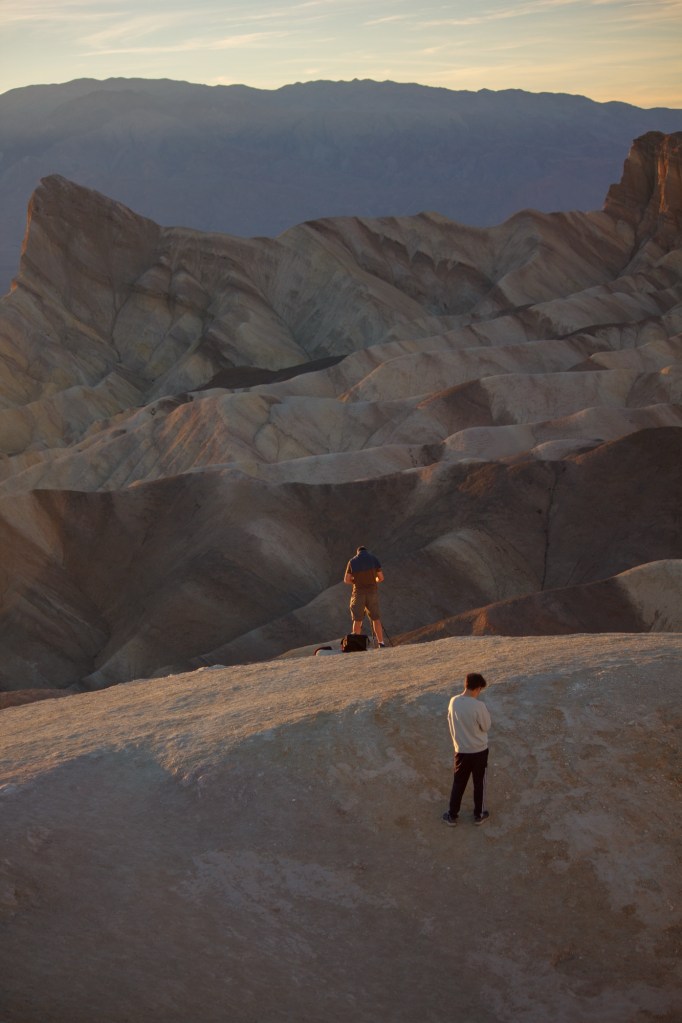

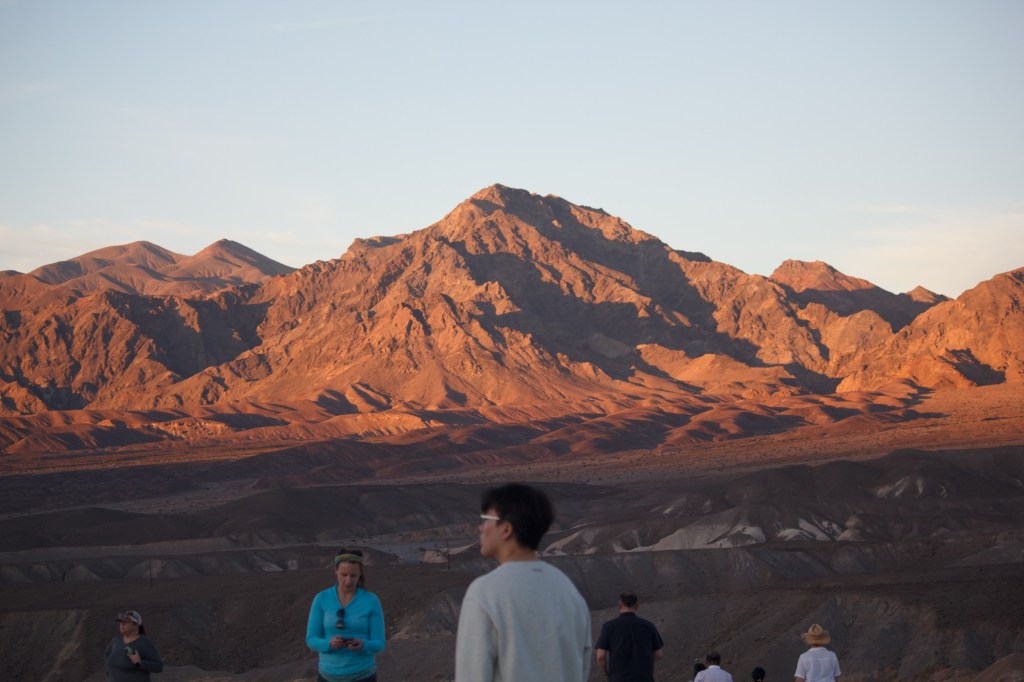
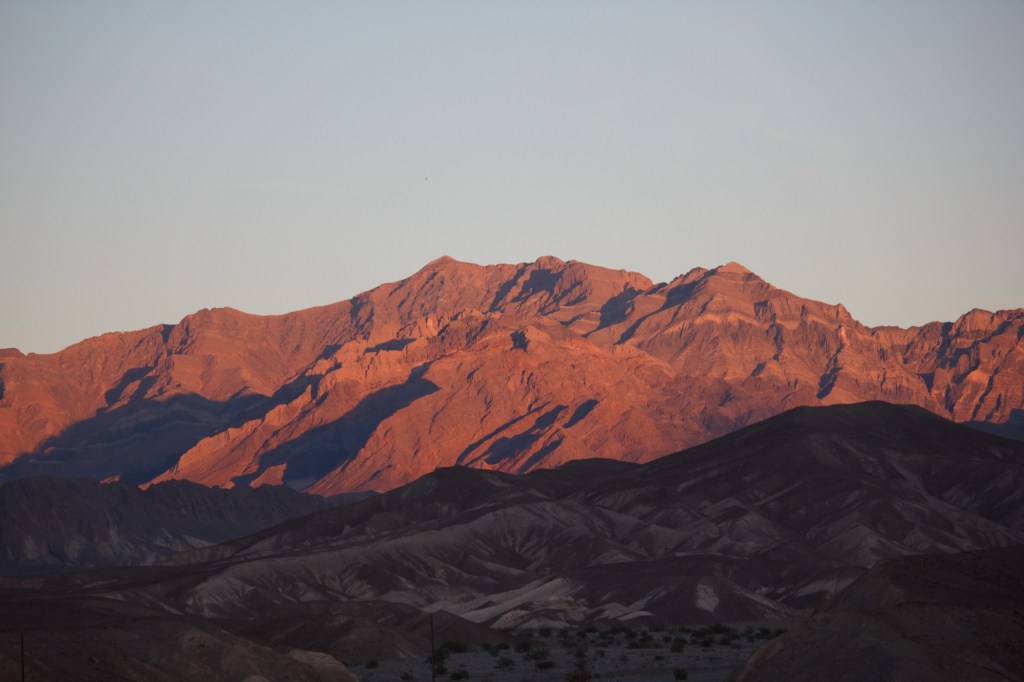

We headed back to camp for the last of the sunset. The desert sky held the warmth of the fading sun. Our campsite was bathed in a soft desert glow, and as the stars began to appear, we sat back and let the silence settle around us. It was the perfect end to an unforgettable day in Death Valley National Park.
Day 4: Death Valley to the Grand Canyon
After a cup of coffee we headed off for another full day of driving to the Grand Canyon. We crossed a time zone so that impacted sunset time which was great because we had plenty of time to arrive at our campsite and set up. The showers had unfortunately already closed, so we had to stay crusty for another night.

For sunset we drove to Mather Point. In my opinion it is one of the best spots on the South Rim for a view of the Grand Canyon, and it’s right by the Grand Canyon Visitor Center, so it’s easy to get to. From here, you can see a huge stretch of the canyon—about 30 miles to the east and over 60 miles to the west when the weather’s clear. You get a good look at the Colorado River below and even Phantom Ranch, tucked in the canyon’s depths. The view changes a lot as the sun sets. Even though it gets crowded at sunset, it’s worth dealing with it for that view (and luckily crowds don’t block the view of the canyon).


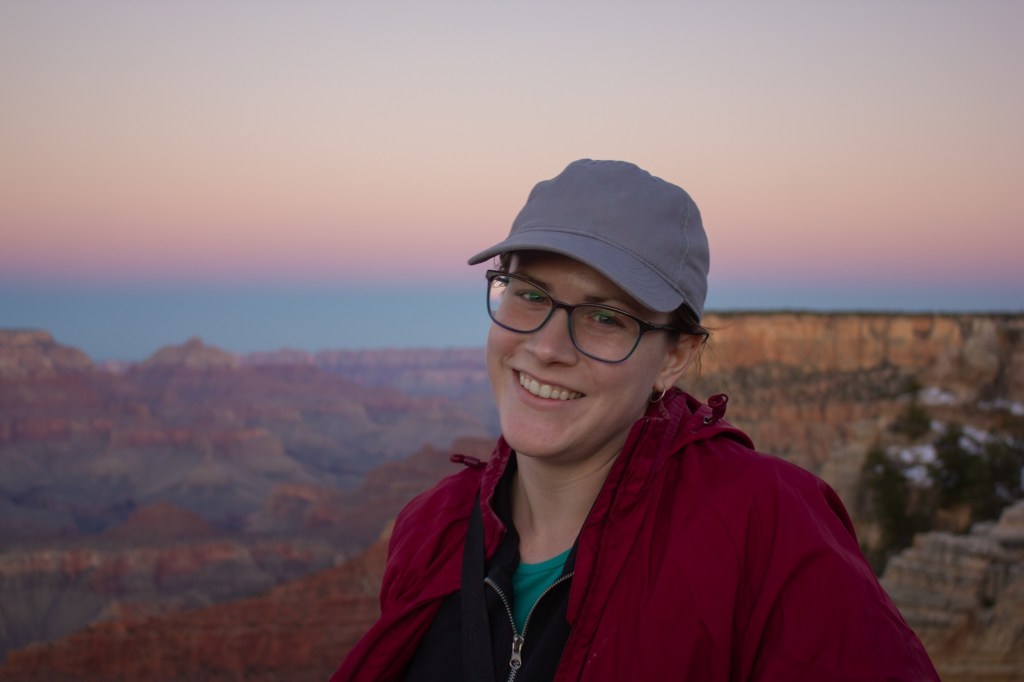
I was also shocked by how accessible the Grand Canyon is. There is a paved path for miles along the edge of the canyon and alternate routes with ramps where the path has some steps. The lookout point is named after Stephen Tyng Mather, the first director of the National Park Service, who helped make the park what it is today. Even if you’re not into the history, just standing there looking out over the canyon, you get why they call this the Grand Canyon because grand it is.
Day 5: Into the canyon
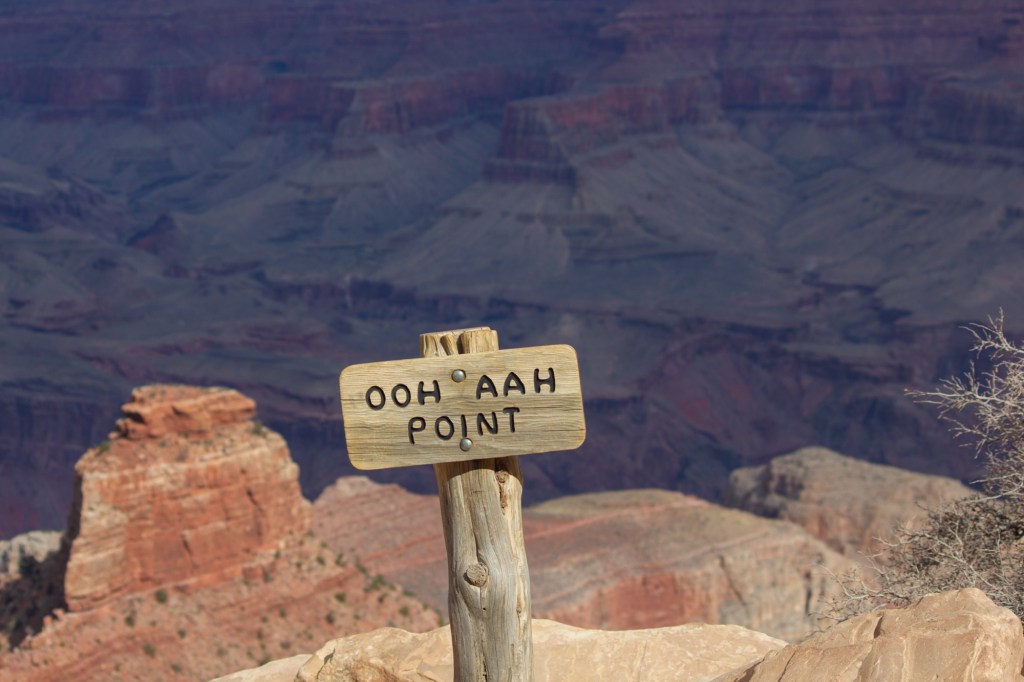
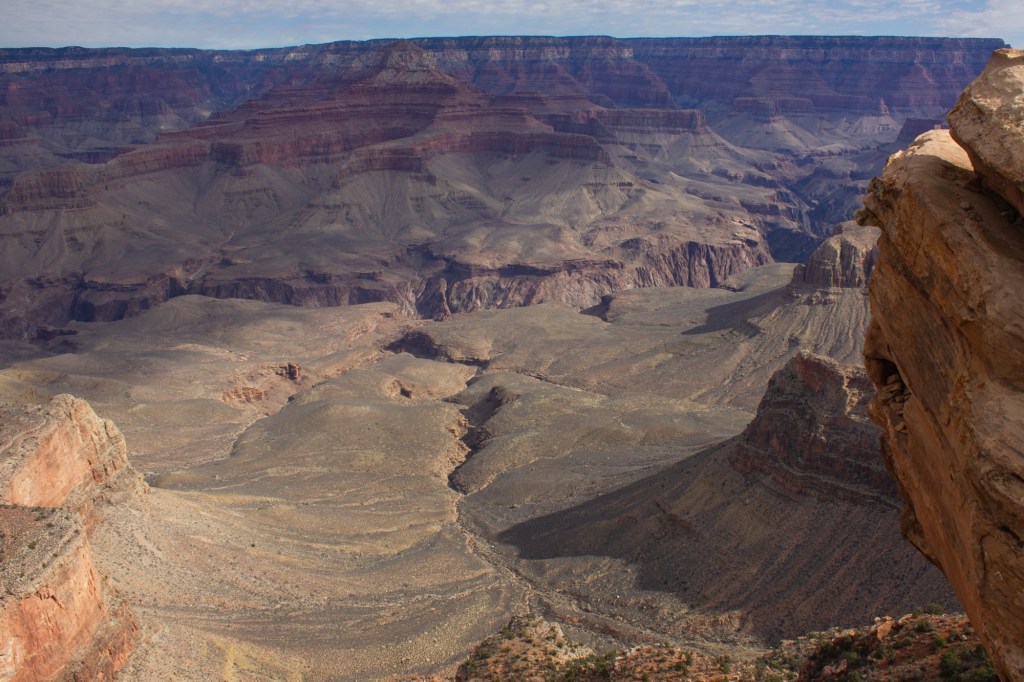
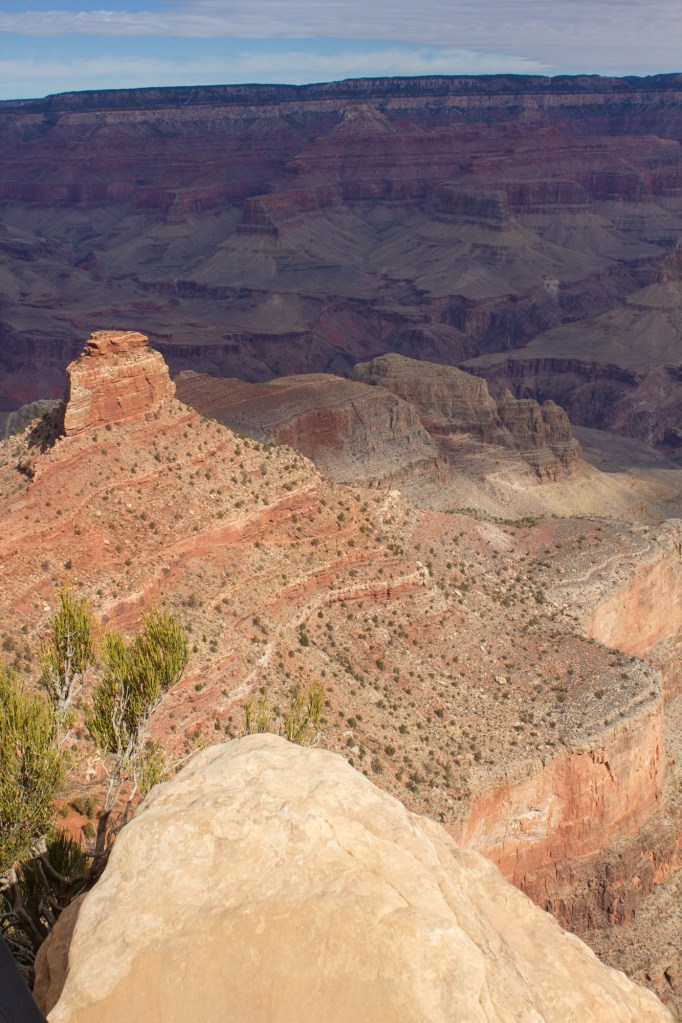
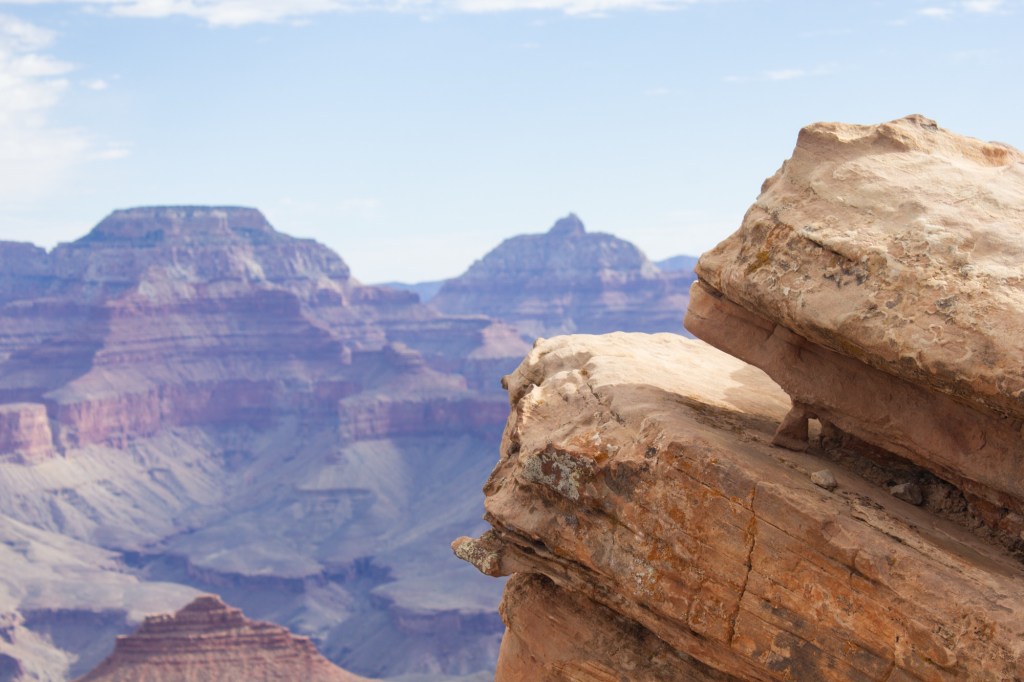
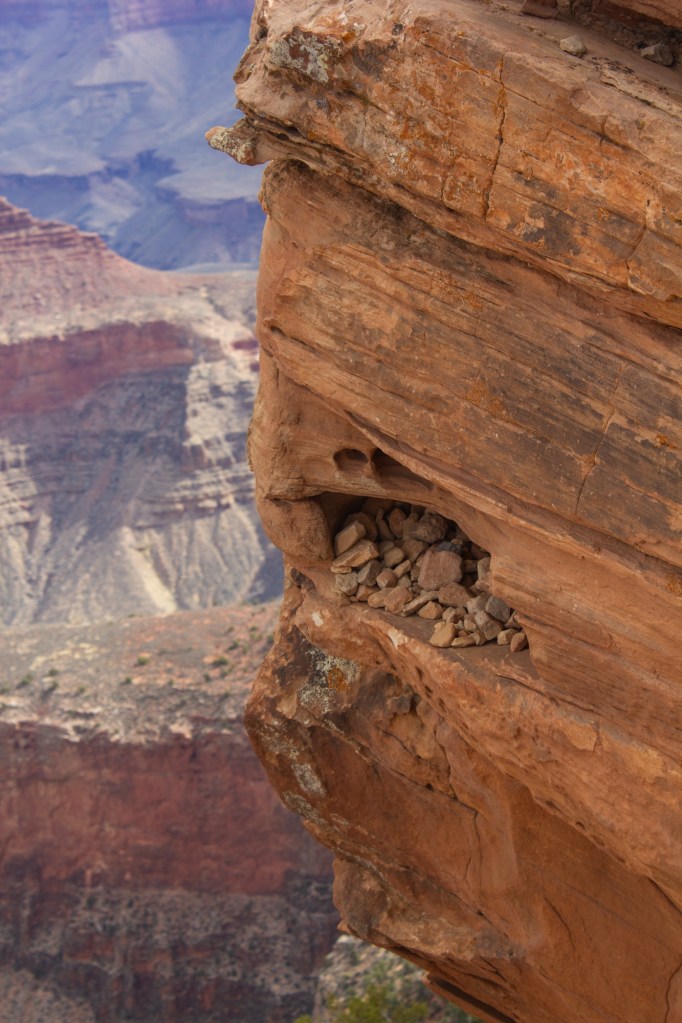
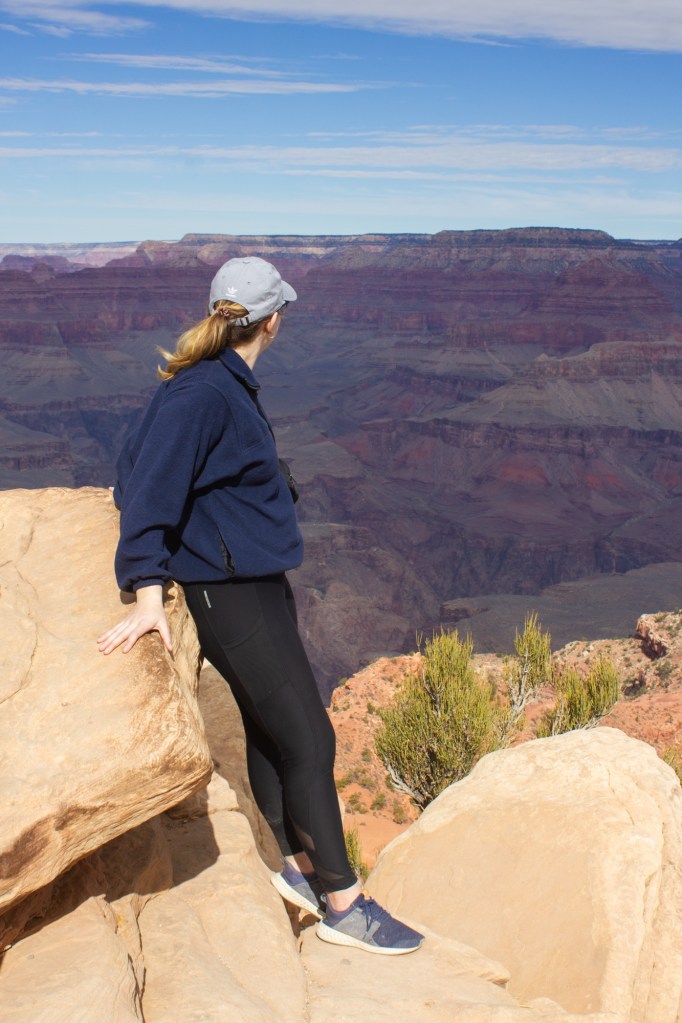
For our only morning at the Grand Canyon we wanted to hike down into it a bit. We hiked the South Kaibab Trail to Ooh Aah Point. The hike is a fairly short 1.8 miles (2.9 km) round-trip, with an elevation gain of 790 feet (230 meters). It’s a manageable hike for most, but still offers a good challenge, especially when hiking back out of the canyon. As we hiked deeper, the canyon’s towering walls began to reveal their true scale, and I was struck by just how massive it is, an eye-opening reminder of nature’s power. My highlight of the hike was the view from Ooh Aah Point, which gives you a stunning vantage of the canyon and an interesting stone formation.
Day 6: Heading East to Petrified Forest National Park
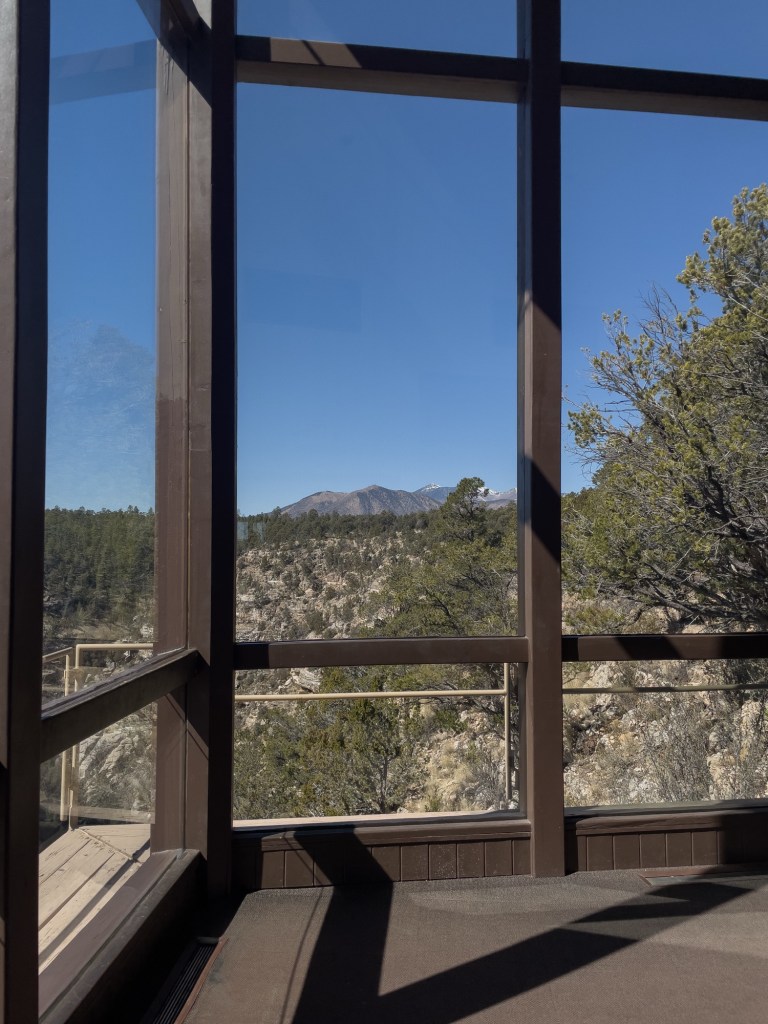
On the way to Petrified Forest National Park, we stopped at Walnut Canyon, where the ranger gave us some tips on what’s worth seeing in his opinion.
The trail started in the Visitor Center. At Walnut Canyon we hiked a nice paved loop trail around one of the islands in the canyon. It is really well designed to be informative and immersive. We learned a lot of names of plants and then used that knowledge to name and identify plants later on the trip.
The plan for Petrified Forest National Park was to drive through from south to north. We used the National Parks mobile app for a self-guided driving audio tour, which gave us a great sense of the park’s history and geography as we explored. Our first stop was the visitor centre where we got an overview of the park and its highlights, offering maps and insight into the area’s geology and history.
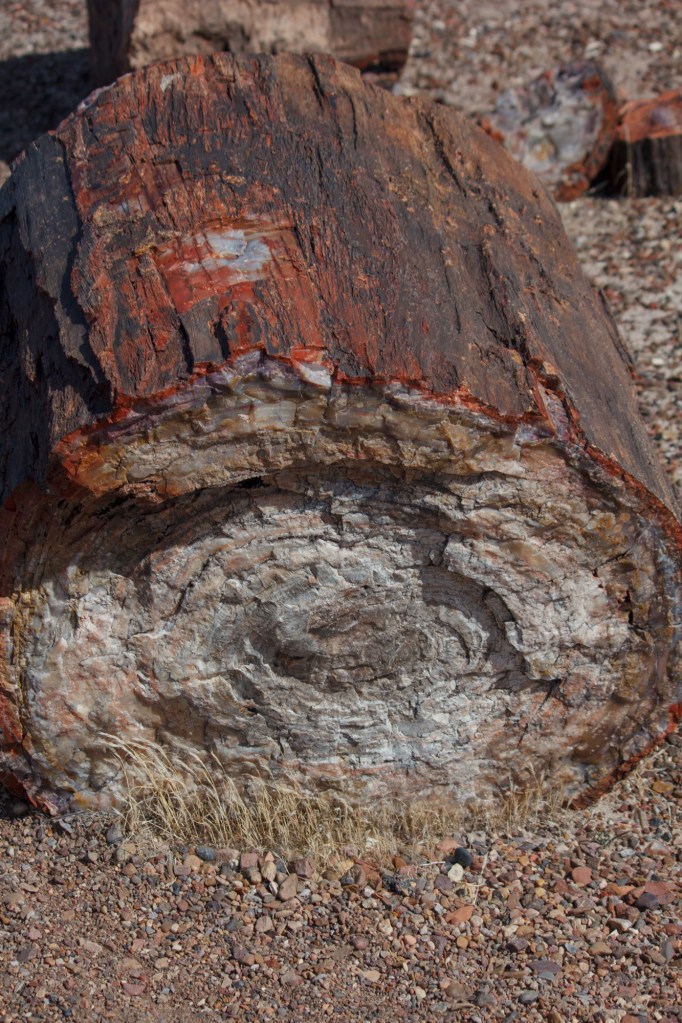
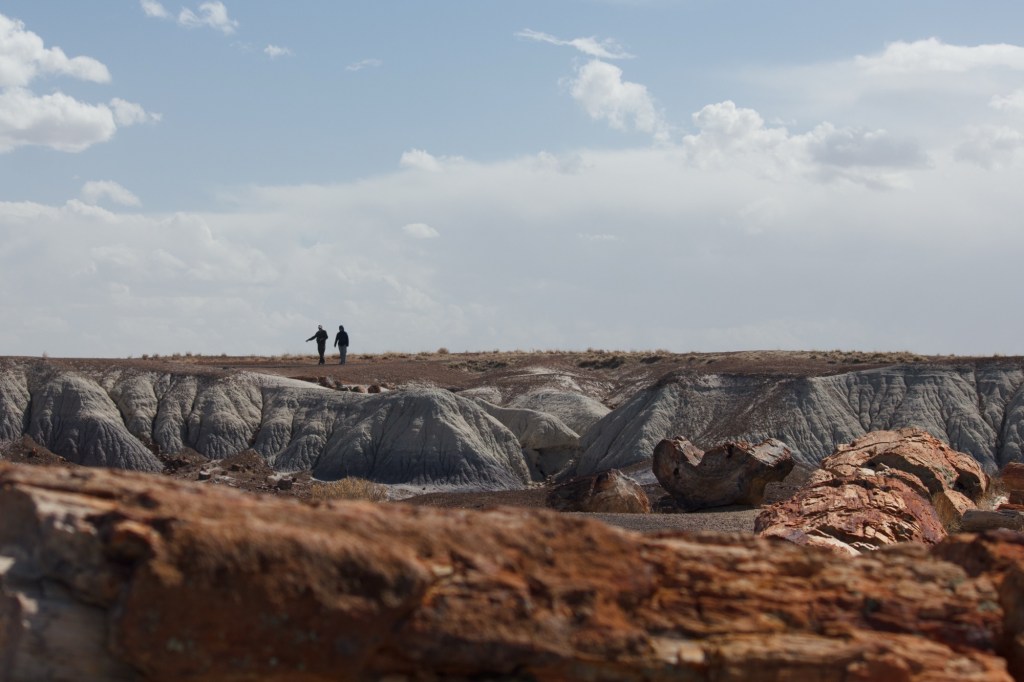
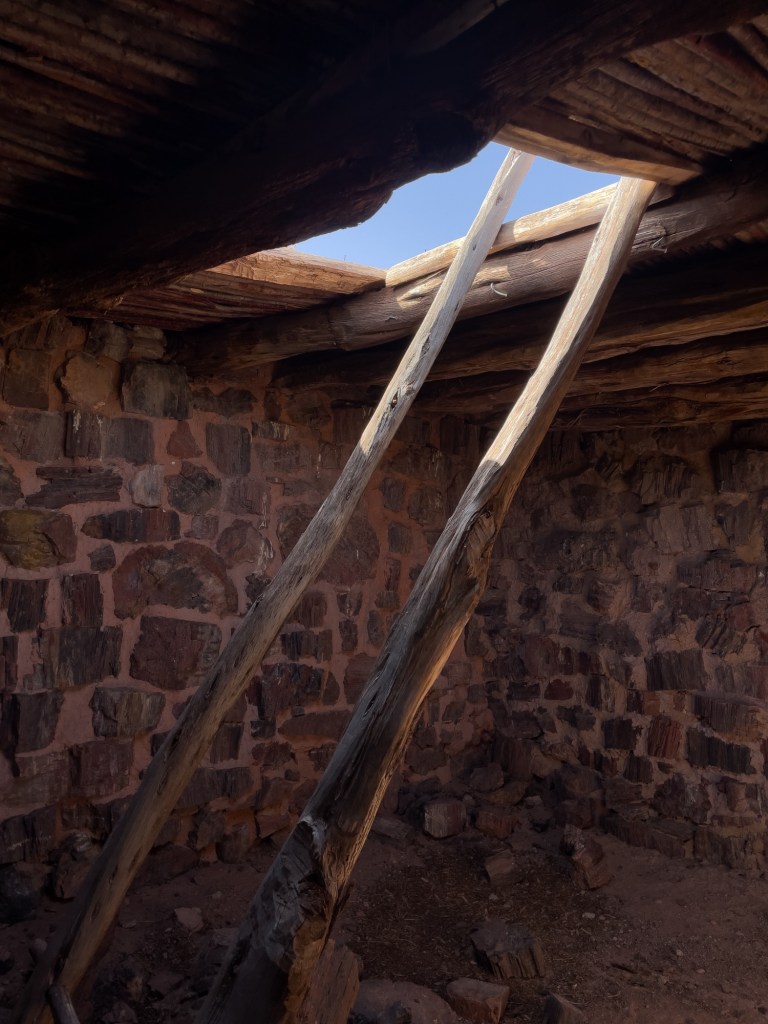
Afterward, we went on our first hike of the day: Long Logs and Agate Pueblo. The Long Logs Trail takes you through some of the park’s largest and most impressive petrified logs. Seeing these ancient trees, once towering and now turned to stone, was mind-blowing. The Agate Pueblo is a fascinating reconstruction of a pueblo made out of petrified wood, showcasing the creative use of the natural resources available in the area. The combination of natural history and human ingenuity made it a memorable stop.
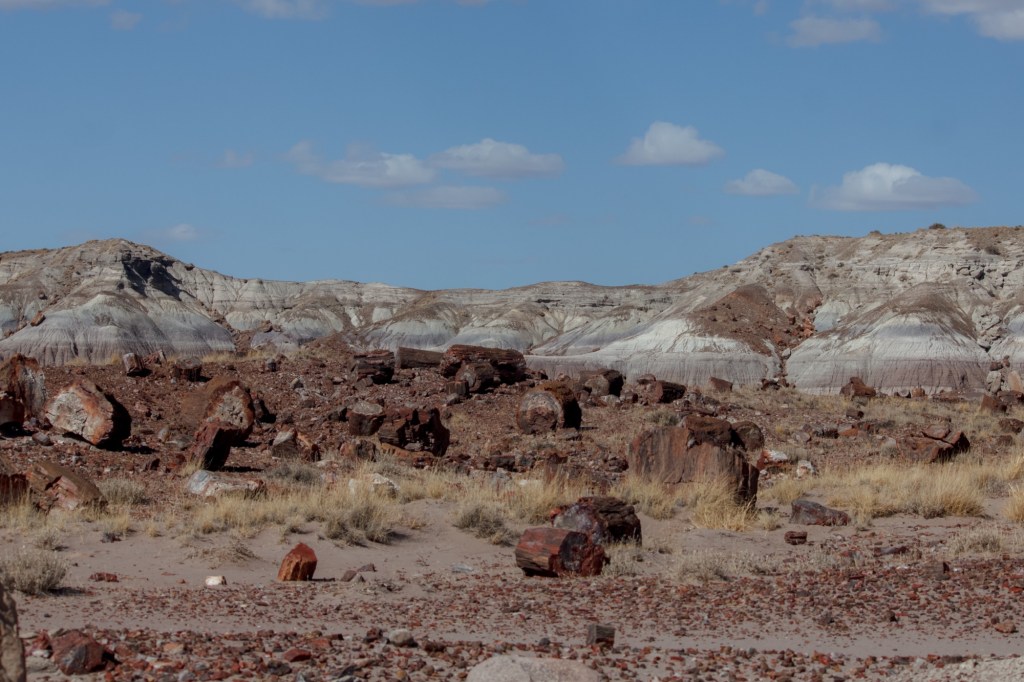
Following advice from the ranger at Walnut Canyon National Monument, we went on a hike at Blue Mesa. He said that used to be his favourite spot because there’s nothing saying you can hike there, but on the other hand there is nothing prohibiting it so it is never crowded. This walk offers sweeping views of the Painted Desert and vibrant blue and purple hues as the landscape stretches out below.
To round off the visit, we took a stroll along a loop trail that offered up close views of the petrified wood and the eerie beauty of the desert. The combination of history, geology, and unique landscapes made the Petrified Forest one of the most visually stunning places we visited.
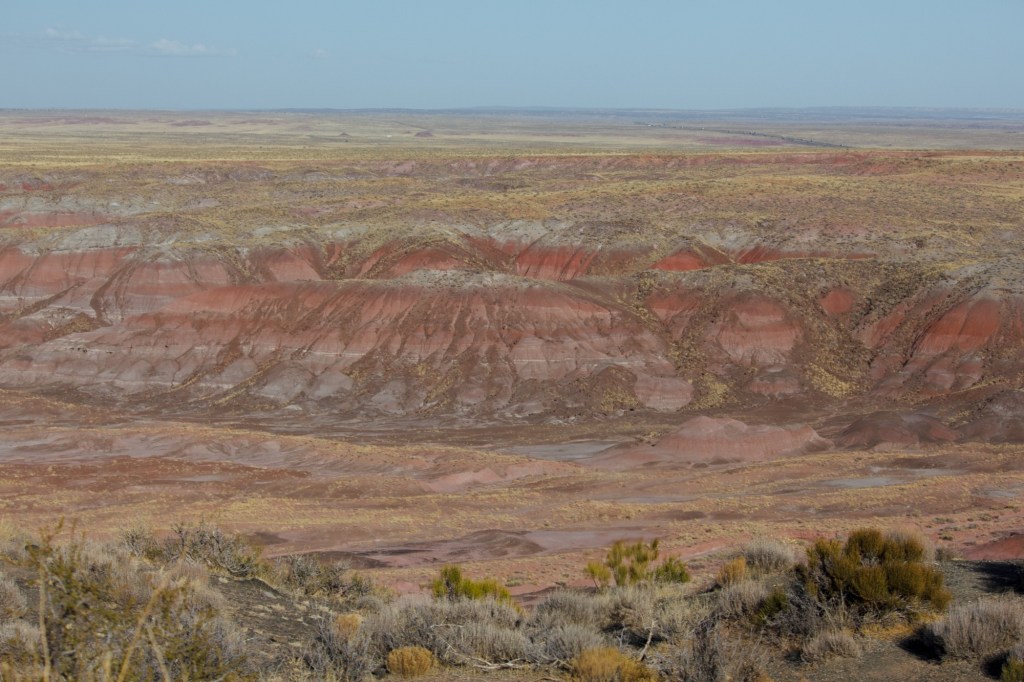
The park’s Painted Desert section was another highlight, with its sweeping views of jagged, multicolored terrain. As we explored, we couldn’t help but feel like we had stepped into a completely different landscape, filled with history and natural beauty. The day ended with a beautiful sunset, casting long shadows over the colorful desert, a perfect way to close out the visit.
Day 7: An unexpected campground win
The next day, we headed to one of my absolute favourite stops on the trip: Aguirre Spring Campground, nestled at the base of the Organ Mountains in Las Cruces, New Mexico. The drive to this stunning campground was scenic, and the moment we arrived, I knew we were in for something special. The campground offers sweeping views of the jagged peaks and a peaceful atmosphere that makes it perfect for camping; or so we thought.

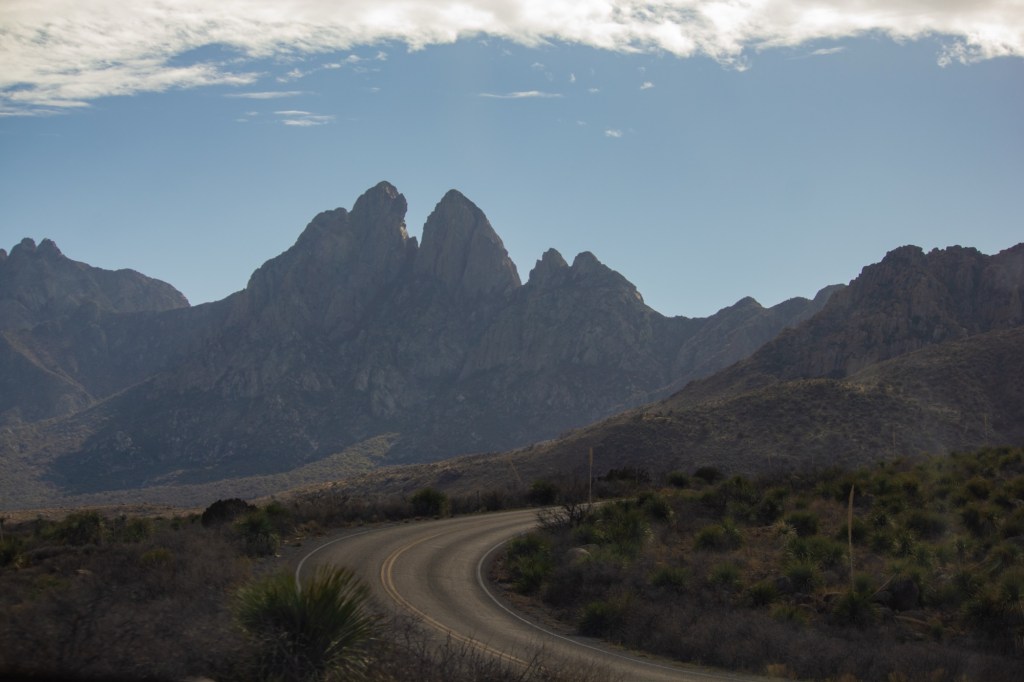
The first night was okay. There was a small storm in the forecast, but I opted to sleep in the tent anyway. It was a very long, cold, windy, wet, restless night in the tent.
Day 8: Gypsum Dunes in White Sands National Park
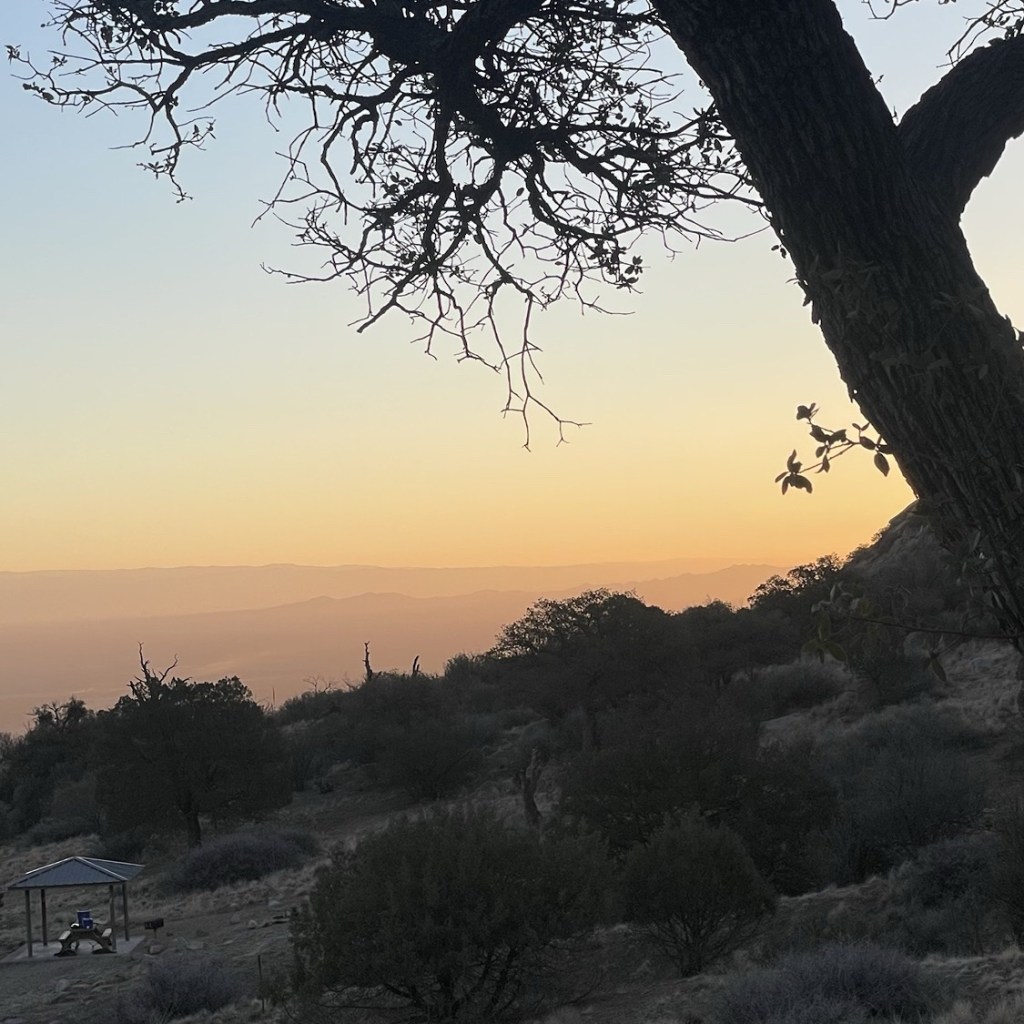
Since I didn’t sleep very well, I was up early and enjoyed a glorious sunrise from the slope about our campsite. After breakfast we set off.
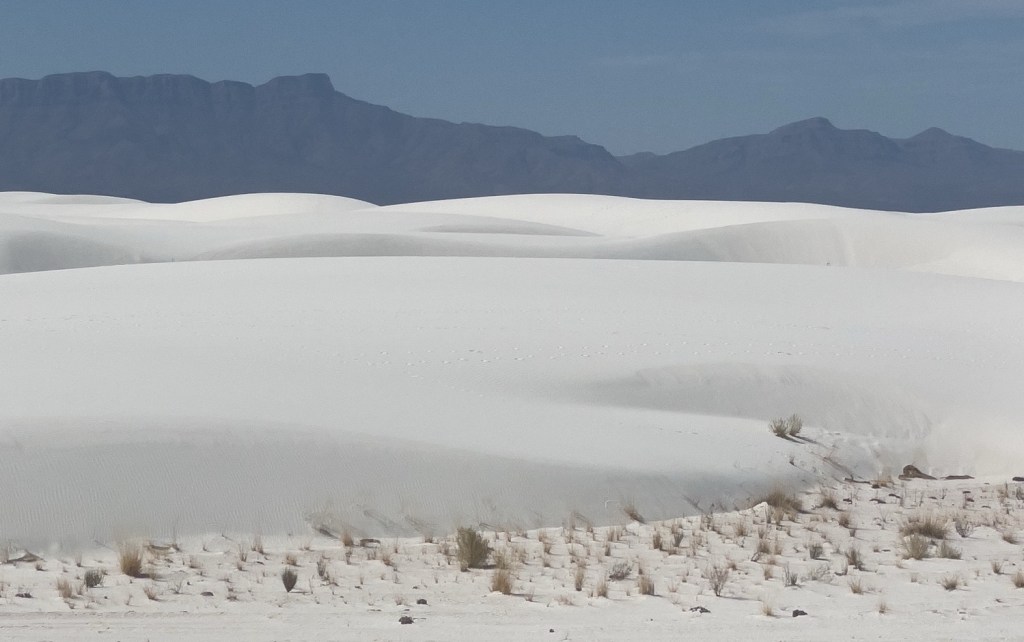
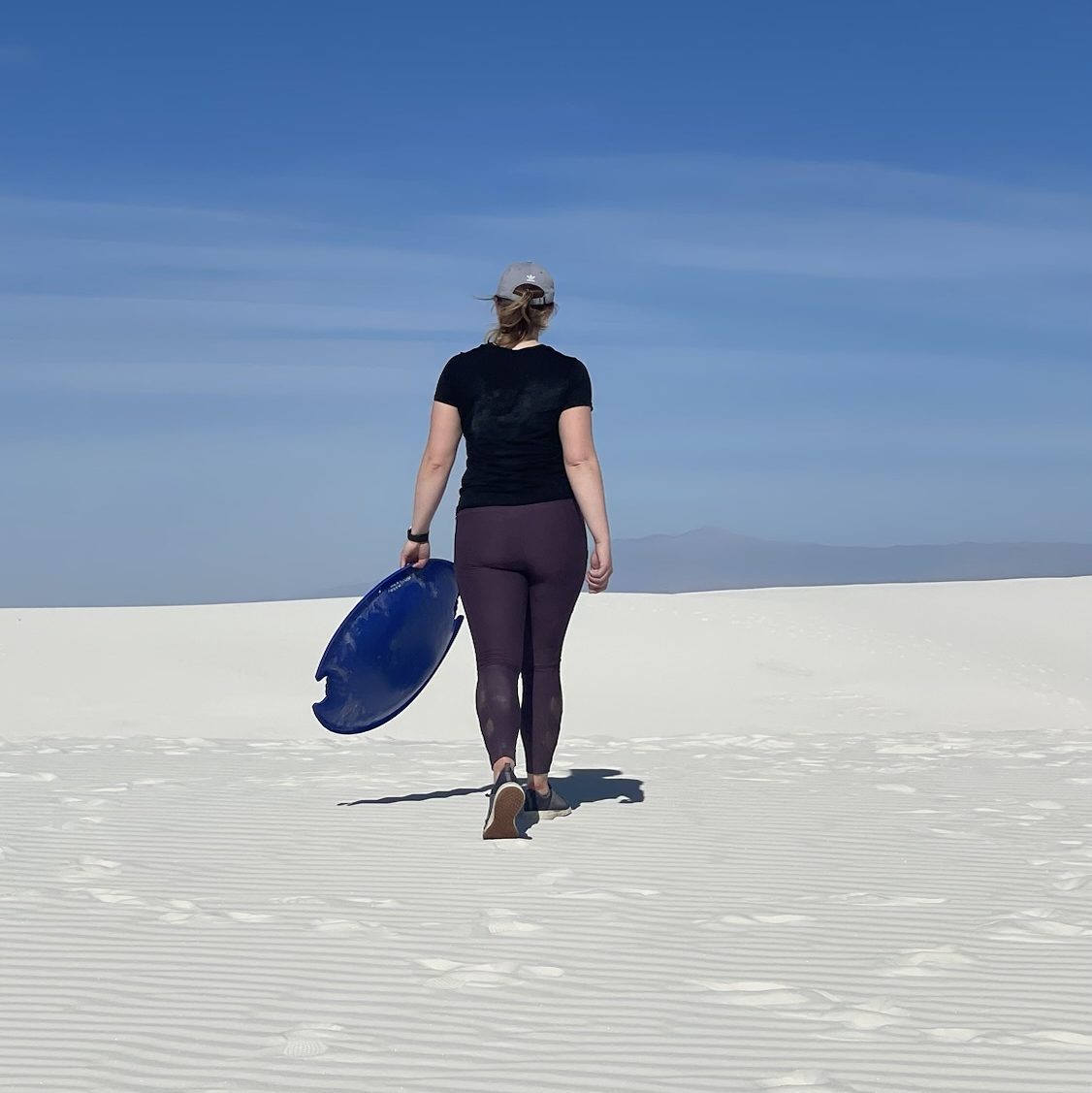
We arrived at White Sands National Park, an incredible landscape of pristine white gypsum dunes stretching over 275 square miles (712 km). First, we walked the Dune Life Nature Trail and listened to a playful audio tour on the NPS app. The audio guide offered a glimpse into the area’s rich ecosystem, where we learned about the survival tactics of the desert plants and animals. One of the funniest parts of the day was the sledding. Toboggans are available for rent or purchase at the gift shop; or you can bring your own. We rented a toboggan at the gift shop for a small fee.
We spontaneously decided to spend another night at the same campground, as we had found it so beautiful the night before and it was more convenient not to move and look for a new place to sleep. This time, however, I opted to sleep in the car since a windstorm was forecasted. Turns out, that was a smart decision. In the middle of the night, the storm hit, waking me up with its force, but luckily I was cozy and warm in the car, so I went back to sleep.


Day 9: campsite disaster
When I got up at sunrise, I discovered our campsite had been completely ravaged by the wind. The tarp was blown 200 meters away and our tent was upside down, despite being weighed down by rocks, our bags and other camping equipment. After I cleaned up the chaos, I rewarded myself with a hot cup of coffee and an incredible sunrise. A well-earned moment of peace after the wild night! After leisurely packing up, we turned around and headed southwest to Chiricahua National Monument.


 Landscape Lens
Leave a reply to me.is.fiona Cancel reply