
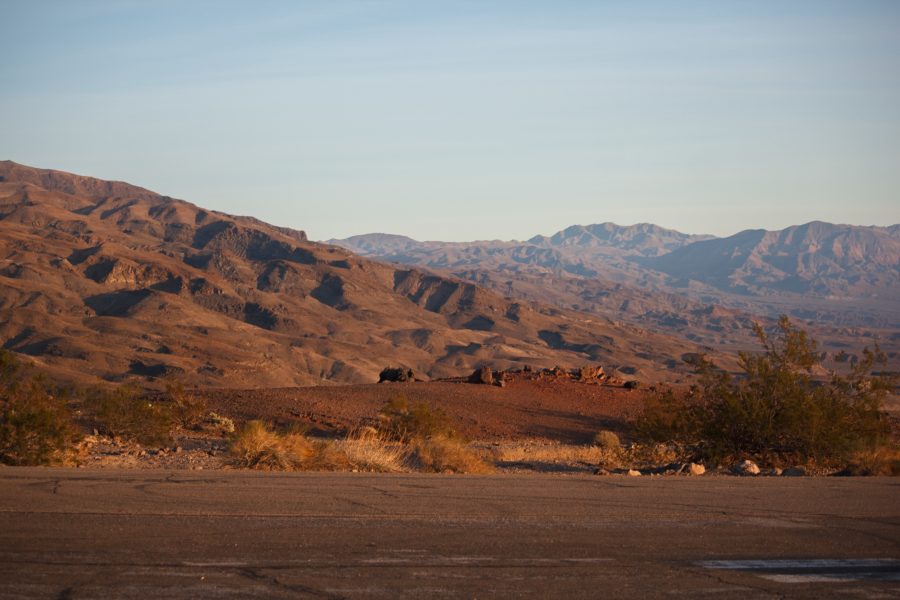
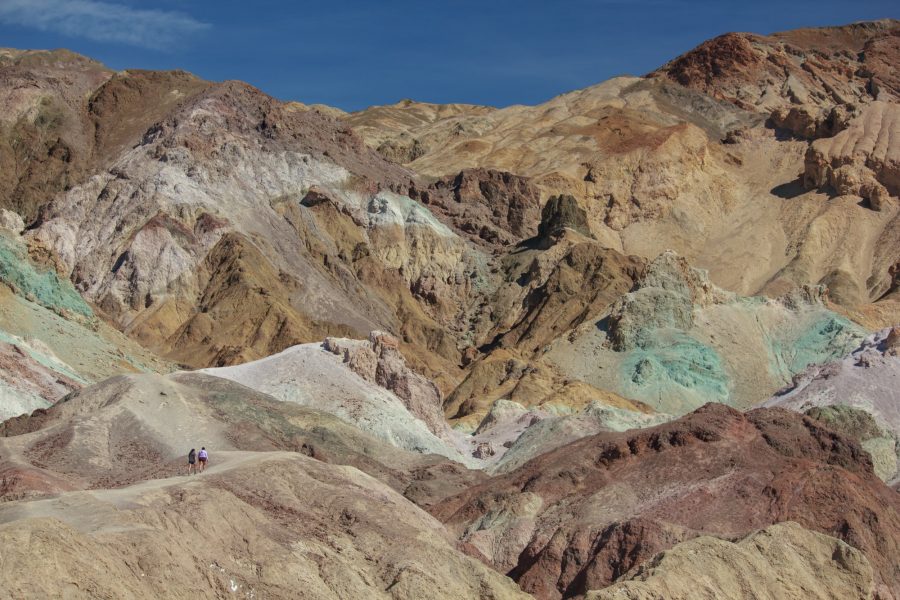
I’d seen photos of cracked salt flats, technicolour canyons, and winding roads, but arriving at golden hour, watching the sun drop behind the hills as we rolled into the park, was unforgettable.
I didn’t know what to expect from Death Valley. It was our first stop on a road trip through the American Southwest, and nothing could have prepared me for the scale of it. We arrived just as the sun was setting, golden light stretching across the desert floor and casting long shadows behind the distant hills. It already felt like another world.

Arriving
We stopped at the self-service kiosk near Furnace Creek to check on entrance fees, but since my friend had an America the Beautiful National Parks Pass, we didn’t need to pay anything to enter the park. The only cost was our campground fee of $18, which we paid at a machine near the site before displaying the receipt on the post next to our tent.
The pass ended up being a great investment for the rest of the trip. If you’re planning to visit more than a couple of parks, it’s well worth having. It costs $80 and covers entrance fees at over 2,000 federal recreation sites across the United States, including National Parks and National Monuments. It’s valid for a full year and you can buy it at most visitor centres, entrance stations, or online here.
Where to stay?
Sunset Campground: Simple, Scenic, and First-Come
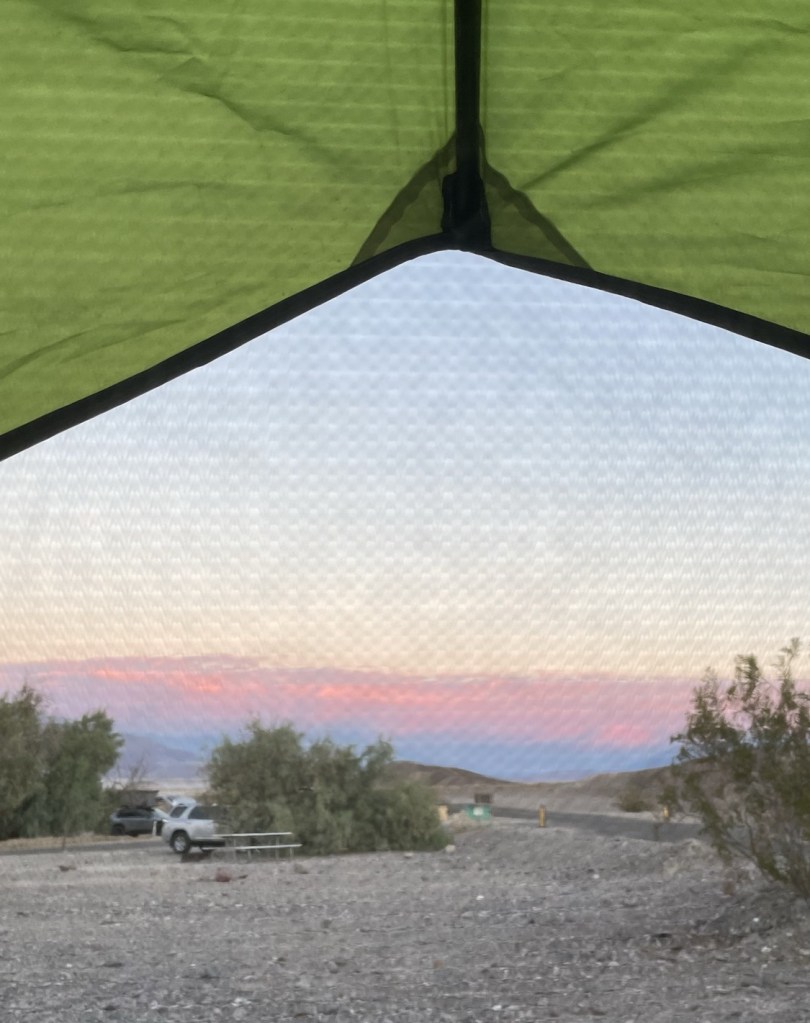
We ended up camping at Sunset Campground after discovering that Texas Springs was already full. It’s located just off the road right below the entrance to Texas Springs and tends to be the backup option for many visitors, but honestly, it worked out fine for us. The main lot was already pretty full, so we set up in the overflow area, which felt more private, and came with the added bonus of no generators allowed. We pitched our tent right along the edge with wide open views of the surrounding desert.
Sunset Campground is first-come, first-served and open seasonally from mid-October to mid-April, when Death Valley is actually liveable. It’s one of the largest campgrounds in the park and rarely fills completely, which makes it a solid no-reservation option during the busier months.
Facilities are basic but functional:
- Numerous flush toilets around the lot
- Potable water refill stations
- Trash and recycling bins
- A few solar powered self serve kiosks, accepting debit or credit cards, to pay the nightly camping fees or the park entrance fee if you don’t have one of the many national parks passes available
- NO showers, no cell service, and no picnic tables
There are no personal fire pits, and campfires are only allowed at a couple of shared fire rings in the main loop. Gas stoves are permitted, but if you’re dreaming of a classic campfire dinner, you’ll need to adjust expectations or join others at the communal fire rings.
It’s not fancy. Just a flat, gravelly desert lot with a few designated sites and wide skies overhead. But there’s something special about falling asleep in that vast silence, surrounded by stars. For us, it was more than enough.
Texas Springs Campground: Quiet, Scenic, and Worth the Wait
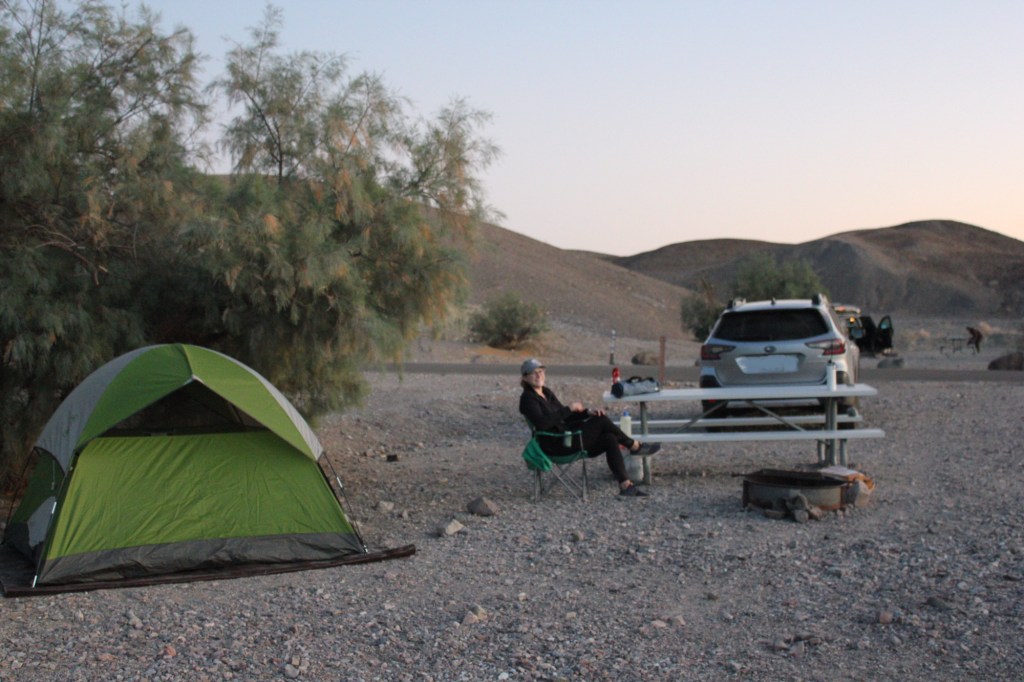
We spent our second night at Texas Springs Campground. It’s perched in the hills above Furnace Creek and has a completely different feel compared to the gravel flats of Sunset Campground. The tent-only section is tucked away and feels almost like a hidden crater, giving it more peace and privacy.
Texas Springs is first-come, first-served and open seasonally from mid-to-late October through April 15. The campground is quiet, partly because generators are not allowed, but also because its divided into two areas. One for RVs and campers and another just for tents. Each site comes with a picnic table and a designated fire grate, which makes it feel comfortable and camp-friendly.
Facilities include:
- Flush toilets and potable water (seasonal)
- Trash and recycling bins
- A fire pit and picnic table for each site
- A self-pay station with credit or debit card payment ($20 per night)
- NO showers and no cell service
While it doesn’t offer anything crazy in the way of amenities, the location and layout make it a great choice for tent campers looking for a more scenic and peaceful place to spend the night. Seeing the sky light up as the sun dipped behind the hills and falling asleep in that quiet crater felt like camping on another planet.
Things to see in Death Valley
I entered the park from the east, coming in on Highway 190. The drive into Death Valley is dramatic. I stopped to snap a few photos along the way, but mostly focused on getting to a campsite before sunset.
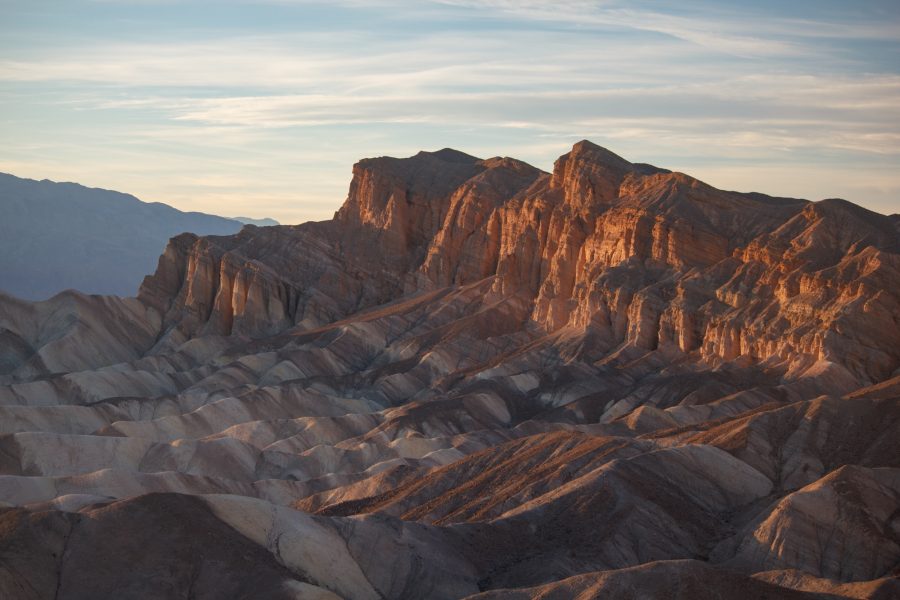
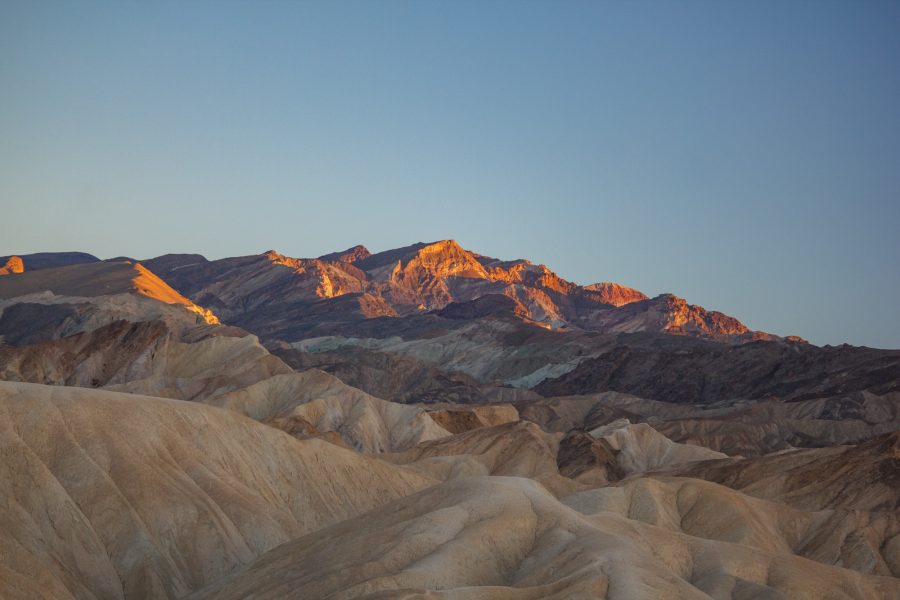
After setting up at Texas Springs, I made the short drive to Zabriskie Point, one of the park’s most iconic viewpoints. The sun was already low in the sky, casting deep shadows across the badlands. The golden tones of the eroded hills, layered like folds of silk, were surreal. I joined the small crowd at the overlook and waited in silence as the sky changed from peach to pink to lavender.
The Night Sky in Death Valley
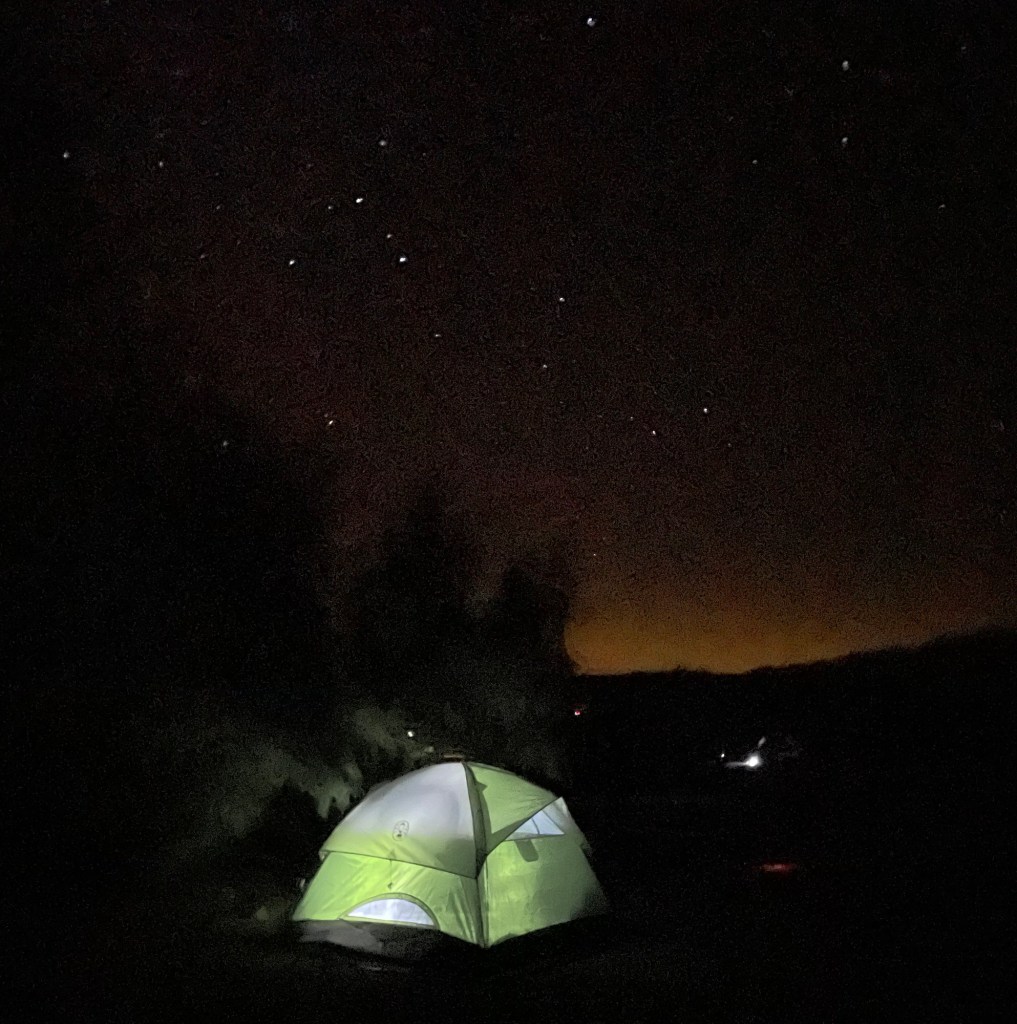
When the sun slips below the horizon, Death Valley reveals one of its most magical sides: the night sky. Recognised as a Gold Tier International Dark Sky Park, it’s one of the darkest places in the United States, where the stars truly come alive. On a clear, moonless night, the Milky Way stretches vividly across the sky and thousands of stars shimmer overhead, untouched by light pollution.
Even if you don’t stay up late, simply stepping outside after dark in Death Valley is enough to remind you how vast the world is and how small we really are beneath the stars. With no moon and minimal light pollution, I lay on my sleeping pad in the gravel and just stared up, not even bothering with my camera.
Nearby Things to See

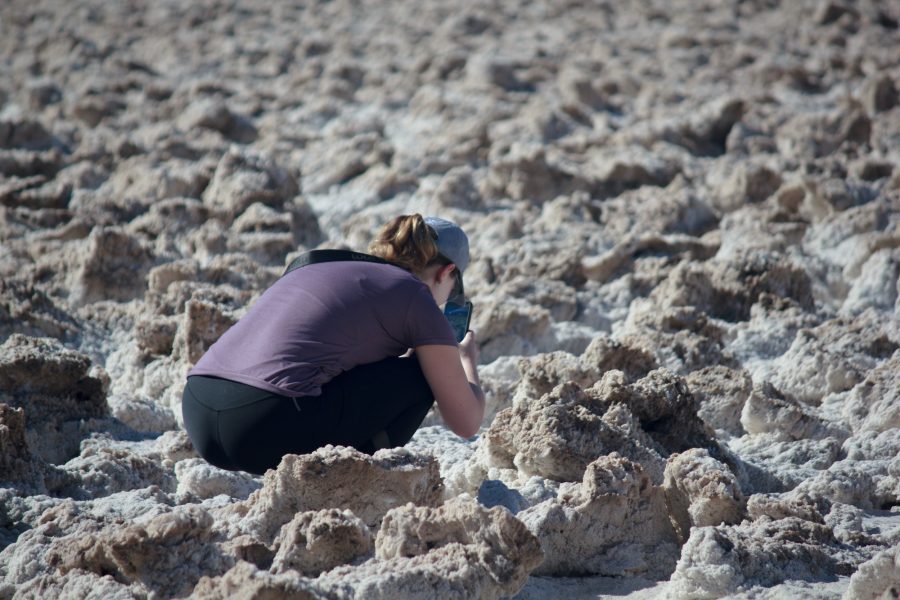
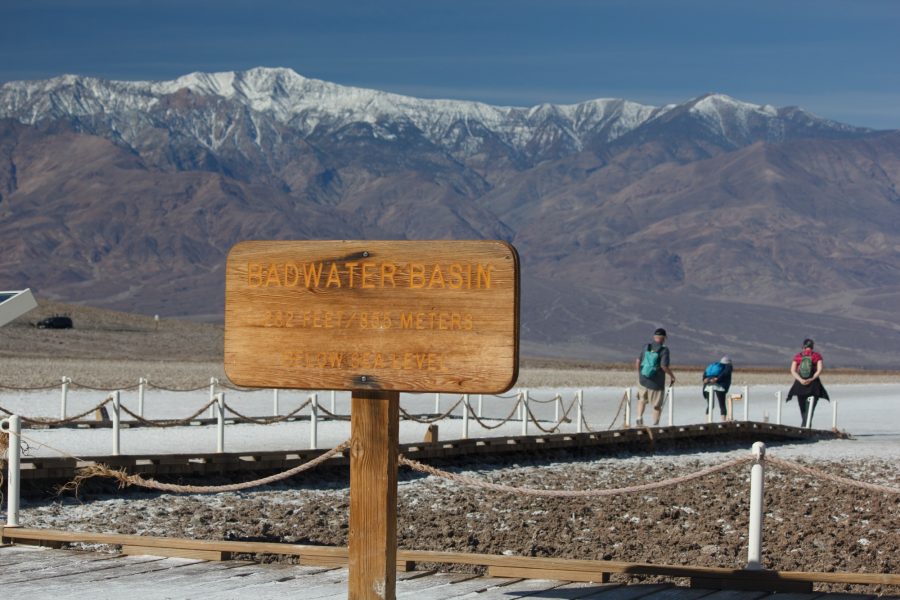
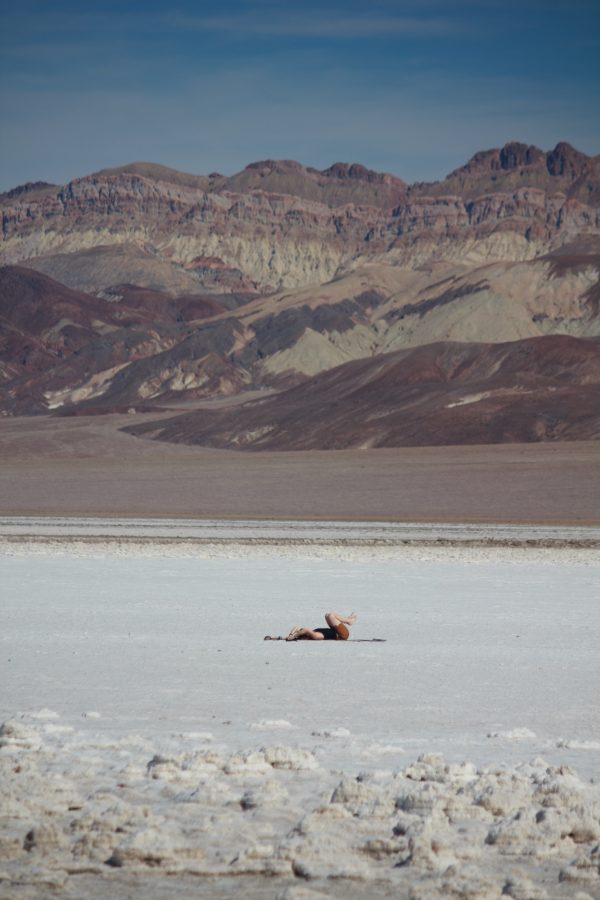
What to Know Before Camping in Death Valley
🔥 When to Go
The best time to camp is late autumn through early spring. Summer is dangerously hot, with highs over 120°F (49°C). I visited in early spring, and daytime temps were already in the 90s.
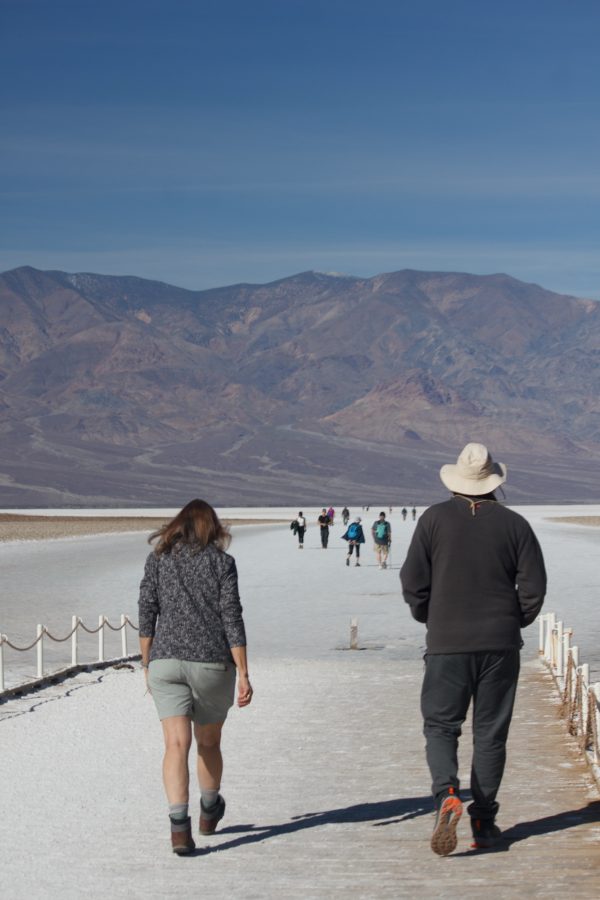
Camping in Death Valley isn’t about ticking sights off a list. It’s about slowing down enough to let the silence sink in. It’s a place that humbles you. Two nights here shifted something in me. I found a kind of stillness I hadn’t realised I was missing.
If you’re considering it, do it. Come prepared, respect the heat, and let yourself be awed.
 Landscape Lens
Leave a comment