
Day 9: From New Mexico to Arizona via Chiricahua National Monument

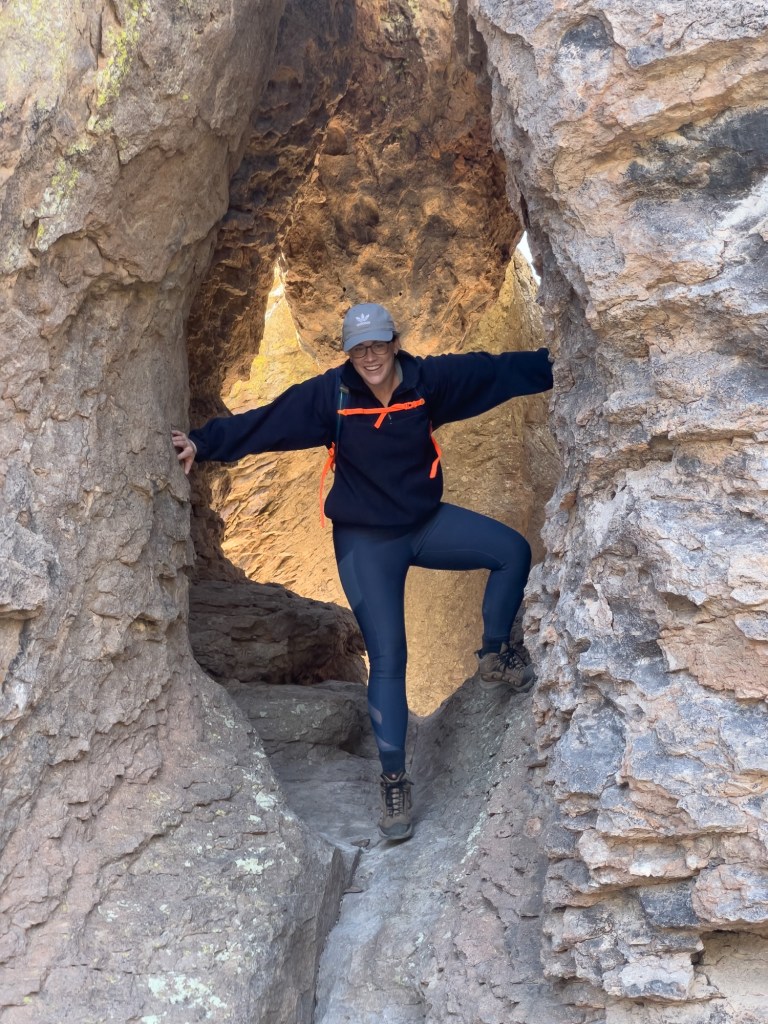
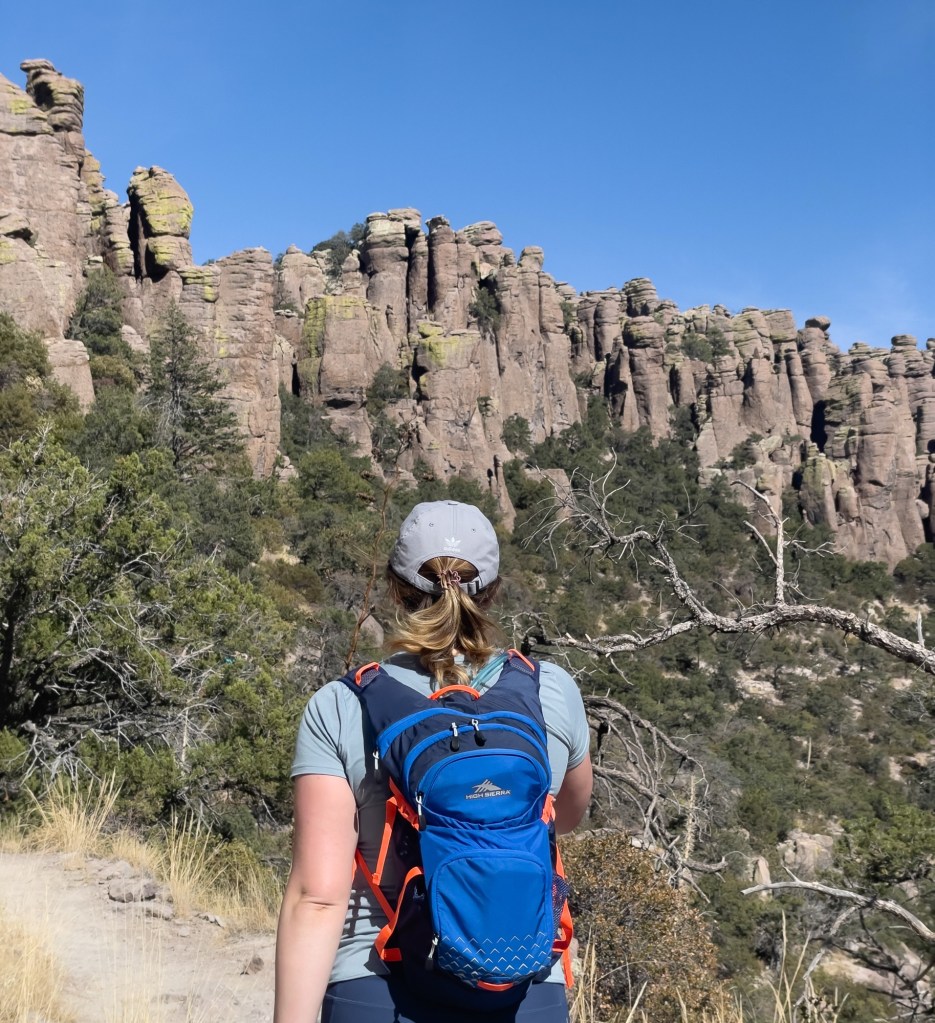
The scenic Bonita Canyon drive took us up into a maze of spires and balanced rocks, remnants of ancient volcanic eruptions. We did one short hike at Chiricahua National Monument and it was lovely. We walked through towering rock formations covered in moss and lichen. Chiricahua turned out to be one of the most unique stops on the trip. With the whole day ahead of us we headed off to Tucson.
Two Sides of Saguaro National Park
Saguaro (sah-WAHR-oh) National Park is divided into two distinct districts on opposite sides of Tucson, each offering its own take on the Sonoran Desert.
| Tucson Mountain District (West) | Rincon Mountain District (East) |
| Lower elevation with dense saguaro forests | Higher elevation with wide mountain views |
| More cacti | Bigger cacti |
| Dramatic desert scenery and rugged terrain | Peaceful, expansive landscapes |
| Dirt roads and short, accessible trails | Great for long hikes and solitude |
The visitor centers are both closed on Mondays. But luckily the park was still open we could drive though. At the entry gate
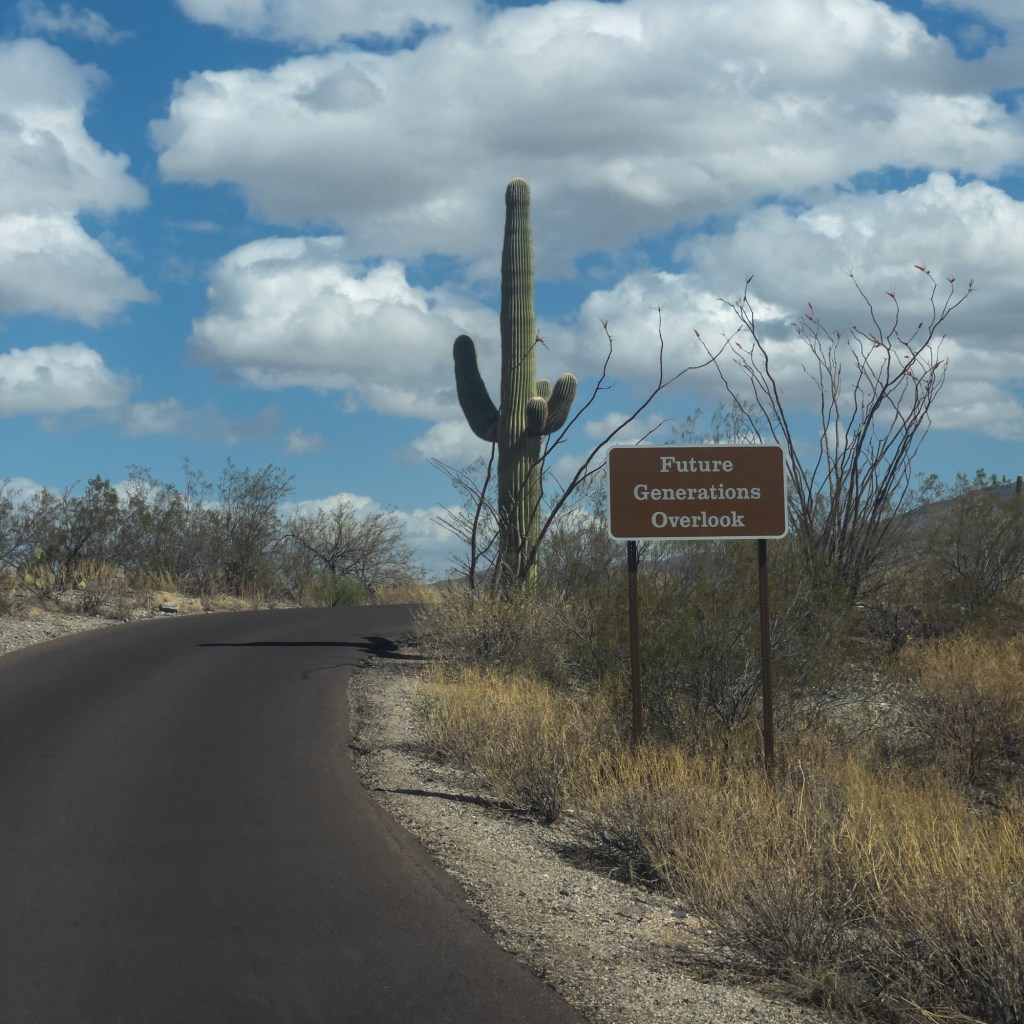
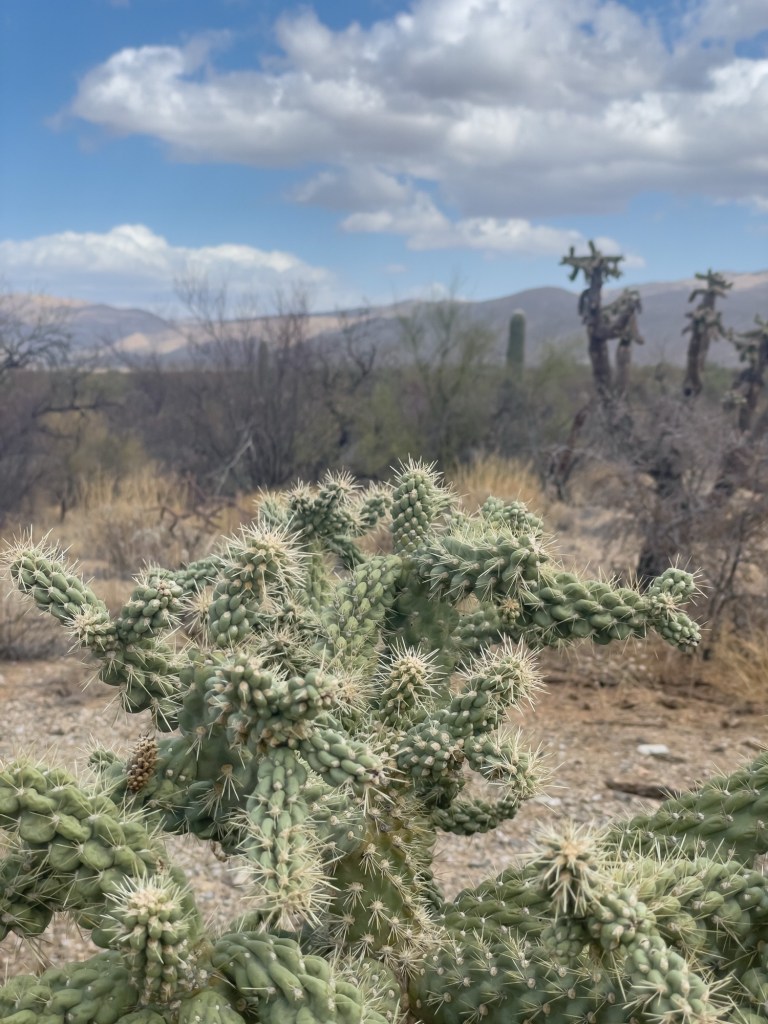
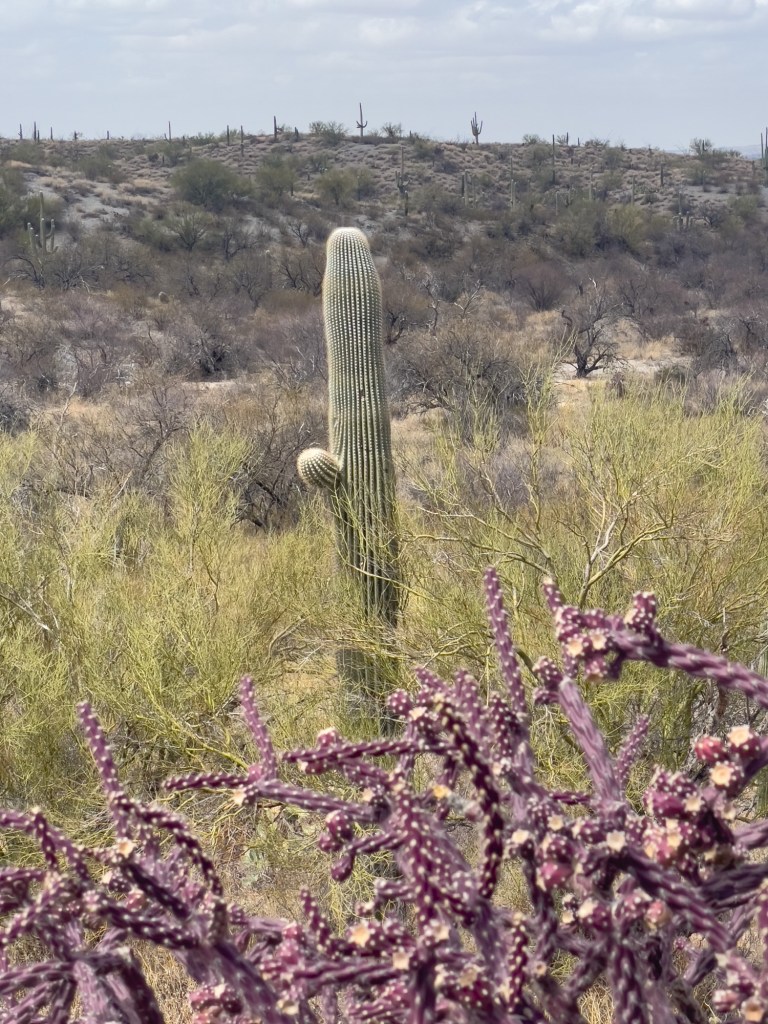
Cactus Forest Loop Drive is a scenic, one-way road that winds through the desert landscape on the east side of Saguaro National Park. It’s a relaxed drive, but with enough curves and hills to keep things interesting. There’s a bike lane for most of the way, and the road is narrow enough that it feels like you’re getting up close to the desert itself. It’s a great way to see a ton of saguaros without even leaving your car, but there are also a several of pull-offs and if you feel like hopping out of your car or taking some pictures.


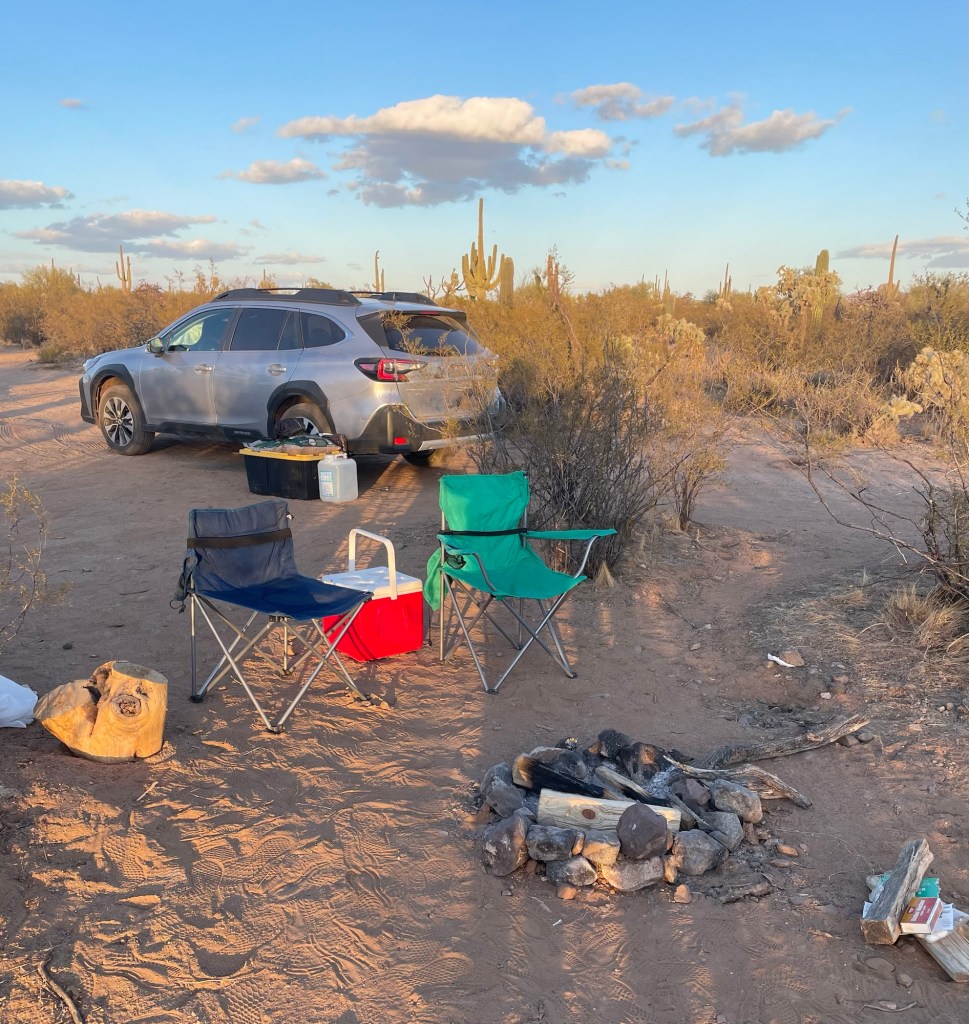
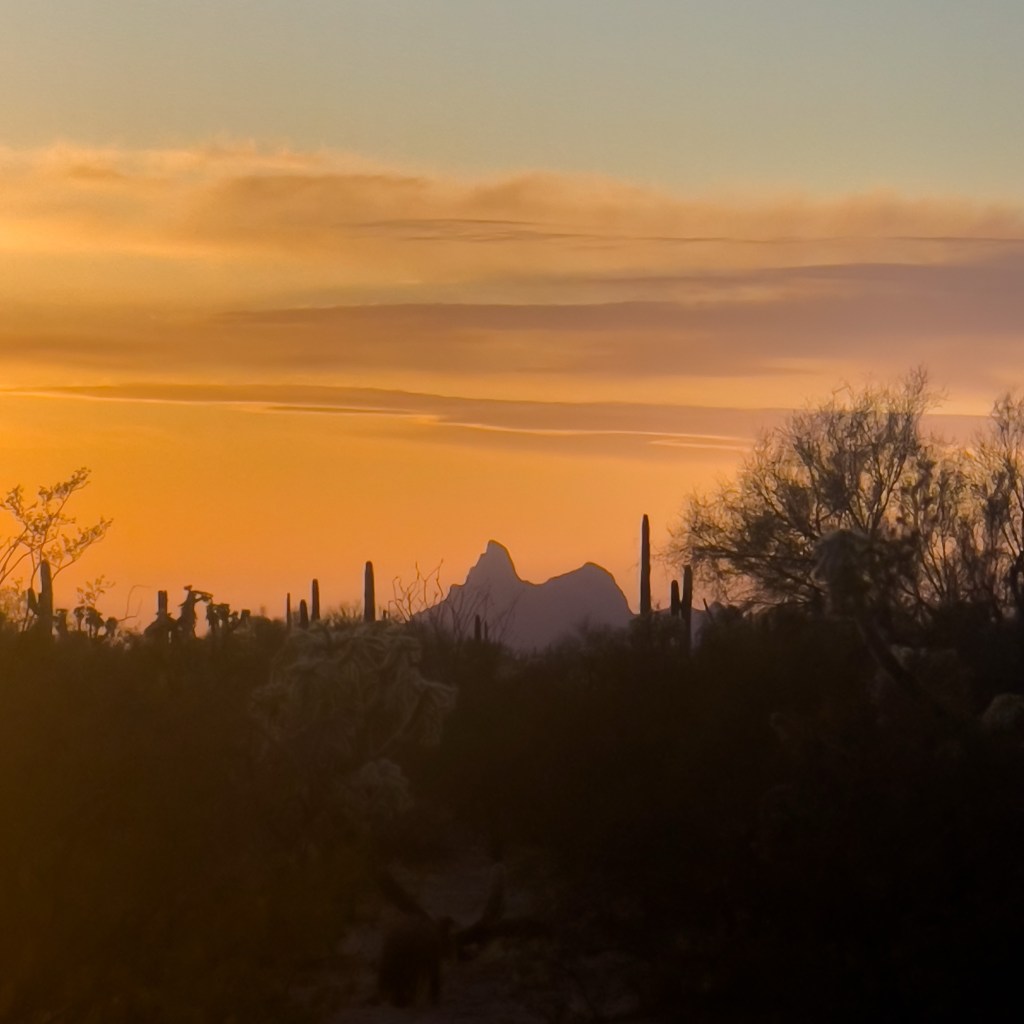
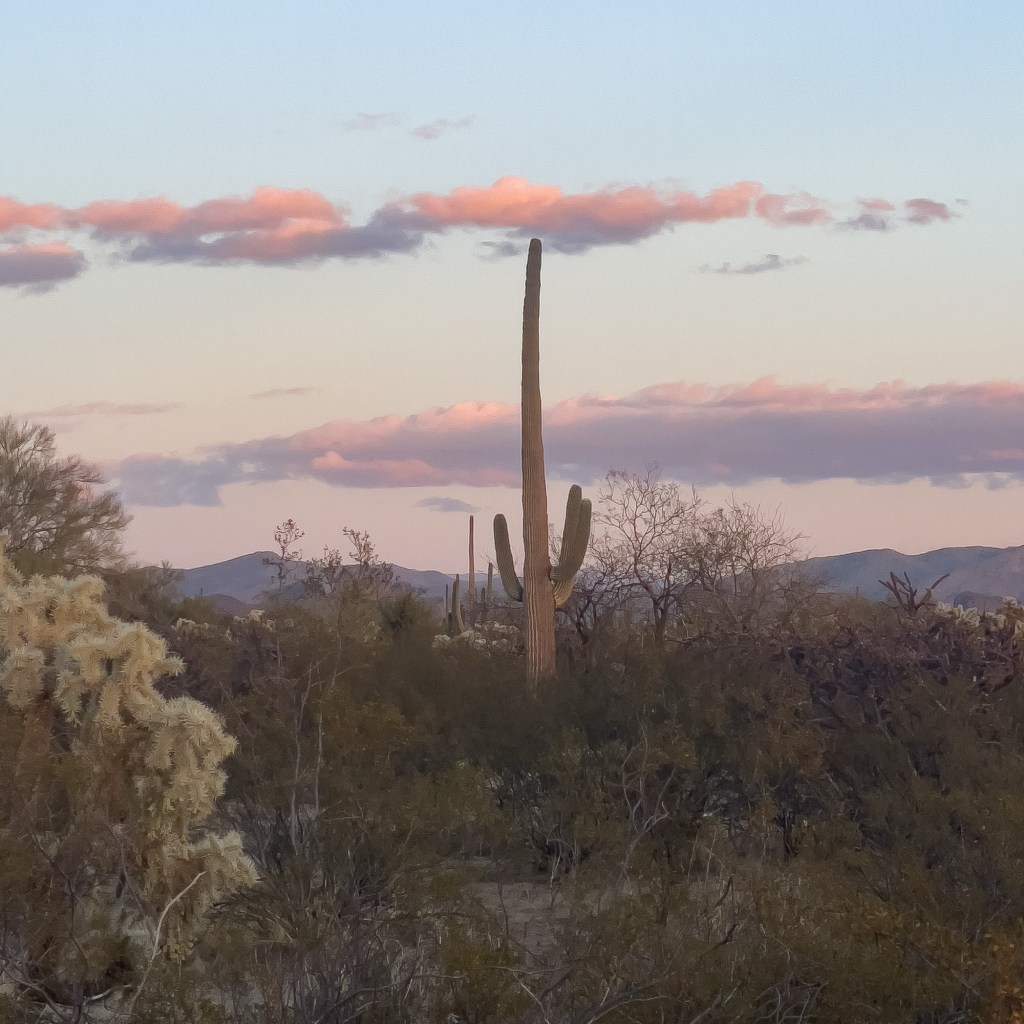
For the evening, we found a lovely spot on BLM land, north of Tucson. The sunset was nothing short of breathtaking. As the sun dipped behind the mountains, the sky lit up in soft pinks and deep oranges, casting long shadows across the desert. In one direction, the saguaro cacti stood like dark sentinels, perfectly silhouetted against the glowing horizon. In another, the sky faded into cooler blues and purples, with the last light catching the edges of scattered clouds. It felt like watching several sunsets at once, each one painting the landscape in a different palette. I tried to be brave and sleep in the tent, but the thought of creepy crawly scorpions was too much for me so I slept in the car again.


Day 10: Tucson to Organ pipe Cactus National monument
With only Saguaro National Park West on the itinerary for the day, we drove through, stopping at a couple pull outs along the way. Compared to the east side, the west side felt a little more rugged and wild, with denser saguaro growth and more dramatic desert scenery. The roads are mostly dirt, but easy to manage, and the views are everything you’d want from a desert park.

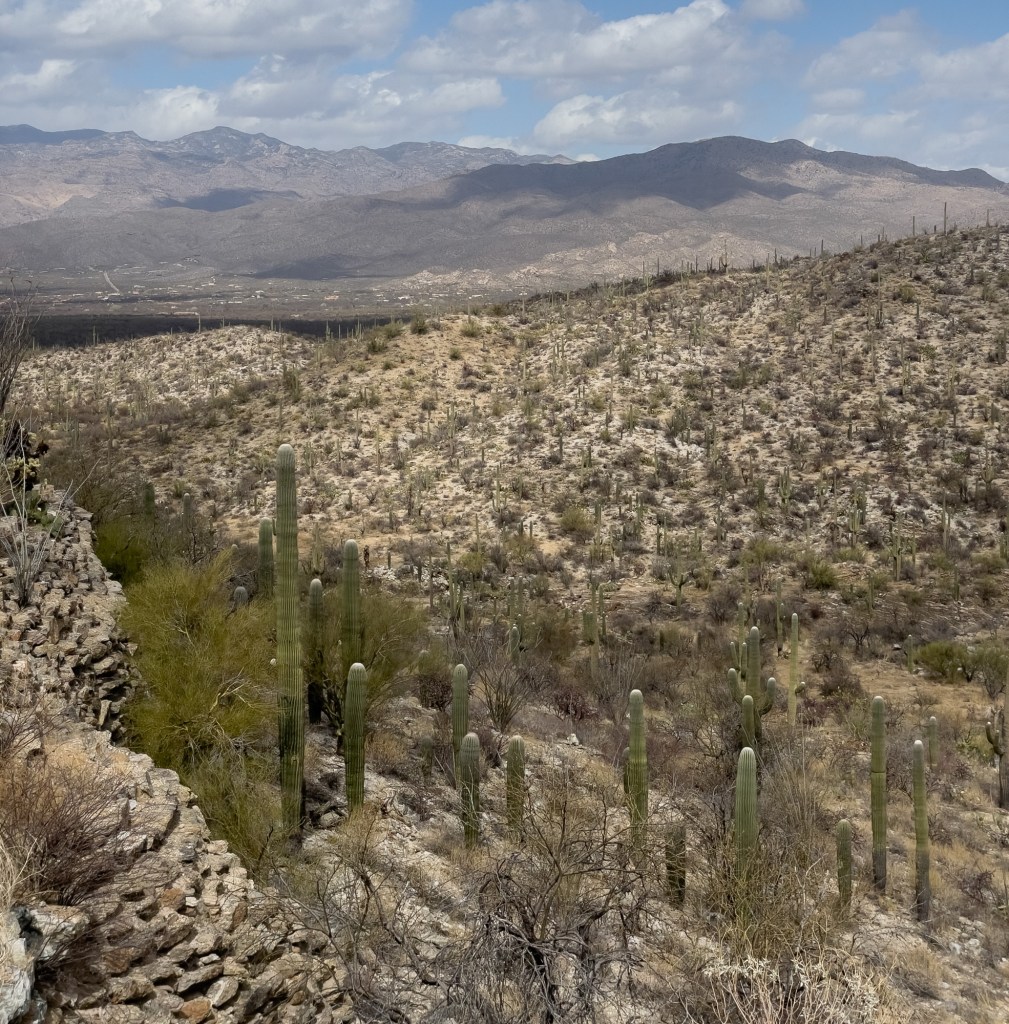
After a leisurely morning of stopping at viewpoints and wandering short trails, we continued west towards Ajo, near the Mexican border, where we’d be visiting Organ Pipe Cactus National Monument. During the short two hour drive, we reserved a spot for the night at Twin Peaks Campground. Tucked in the back row, our spot was fairly quiet, had a surprising amount of privacy and a clear view of the horizon without other campers behind us.


With the sun still high, we followed a short trail from the campground to the visitor centre and back, then wandered past our site in the other direction toward the Desert View Trail.

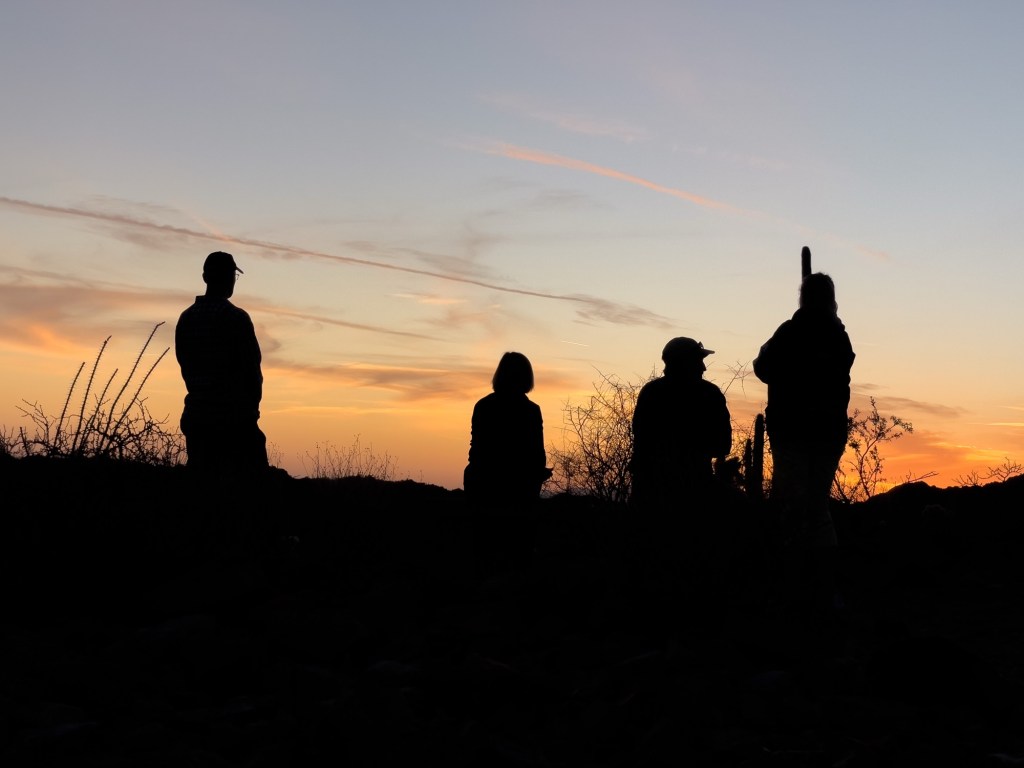

From a small hill along the path, we were treated to another breathtaking sunset, with light pinks, pastel purples, and soft oranges painting the sky and with organ pipe and saguaro cacti. As we arrived back at our campsite, there was a free lecture given by a ranger at the nearby amphitheatre, which we decided to attend.
National Parks vs. National Monuments

During the ranger talk at Organ Pipe Cactus National Monument, we learned about how public lands are classified and what that means for their funding. In the U.S., there’s a difference between national parks and national monuments. National parks are created by Congress and usually protect large, scenic landscapes with a mix of natural beauty, biodiversity, and recreational value. National monuments, on the other hand, can be established by the President or Congress and are often created to protect a specific natural, cultural, or historical feature.
The designation matters because it affects how much funding a place gets and what sort of infrastructure it has. National parks generally receive more resources and staff, which can mean more developed facilities like visitor centres, campgrounds, and maintained roads. National monuments can be just as beautiful or significant, but they often have fewer amenities and operate with tighter budgets.
Interestingly, quite a few national parks actually started out as national monuments, like the Grand Canyon and Joshua Tree, and were later “upgraded” by Congress when their importance (and visitor numbers) grew. It’s pretty rare for that process to go the other way. It is difficult to downgrade a national park, and even changing the boundaries of a monument has become more controversial in recent years.
It was a surprisingly interesting topic, and it gave me a better understanding of how these places are managed and what goes on behind the scenes to keep them protected and accessible.
Day 11: Joshua Tree National Park
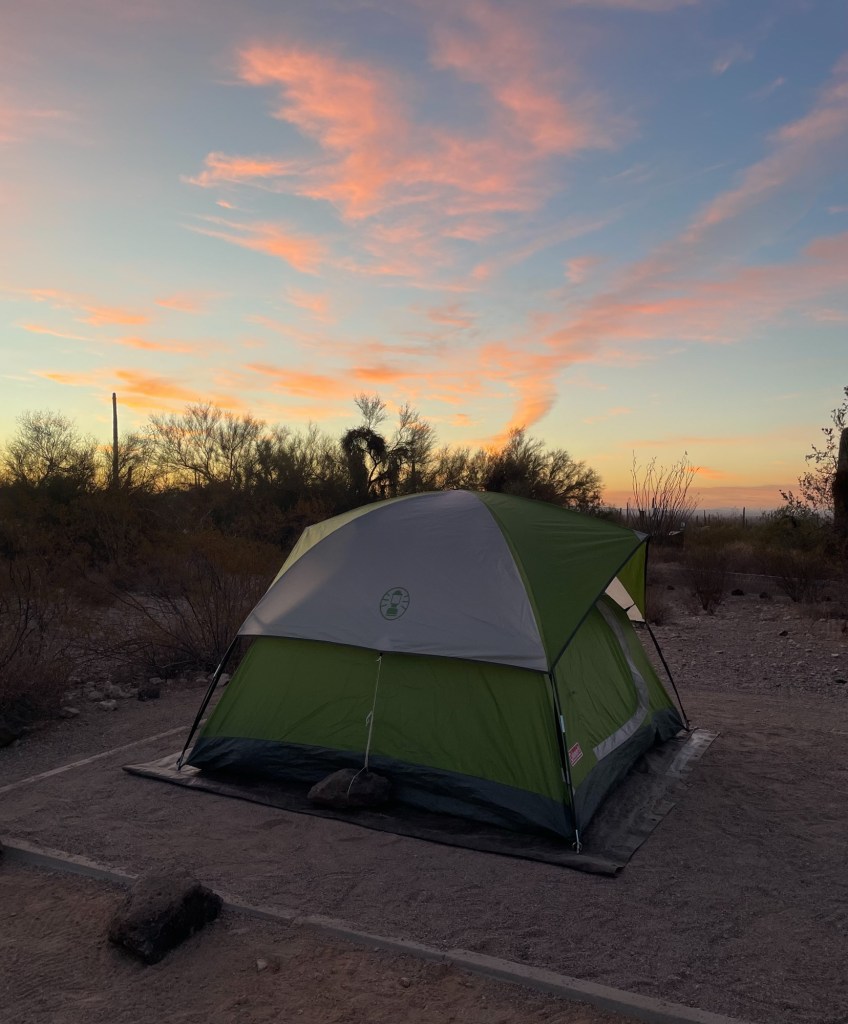

I got up uncharacteristically early to enjoy another desert sunrise. With a five hour drive from Organ Pipe National Monument to Joshua Tree National Park on the agenda for the day, we made our coffee, packed up and hit the road.
Our first stop in Joshua Tree National park was the Cottonwood visitor Centre. It was small and a bit underwhelming, but we showed our America the Beautiful pass and looked around for a bit before heading southeast to Palm Oasis (Cottonwood Spring). I wish we’d spent more time there. The contrast between the green of the palms and the dry desert surroundings was beautiful, and it felt like a peaceful little pocket of life tucked into the landscape.
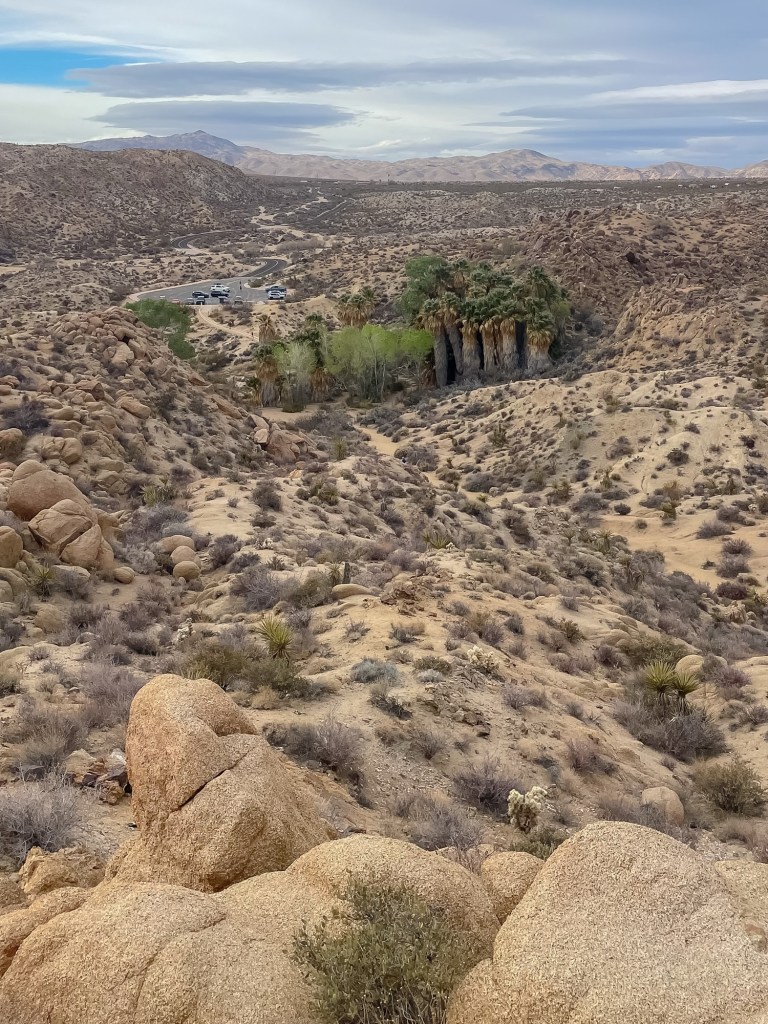
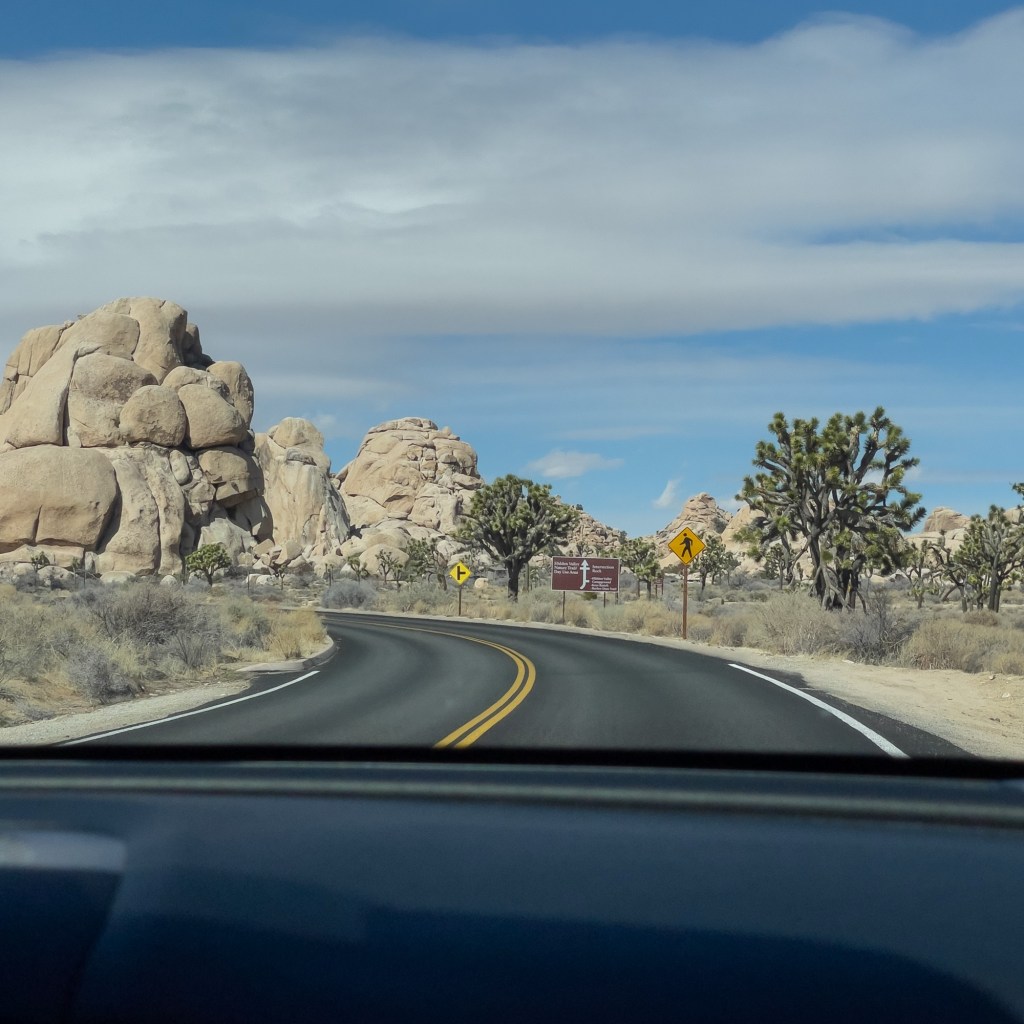
We had reserved a spot at Jumbo Rocks Campground, right in the middle of the rock formations that make the park so iconic. The campground was incredible! There were huge boulders everywhere, great for climbing and exploring, and it felt surprisingly private considering how popular the park is. If I had to rate the scrambleability of the rocks, it would be a solid 10/10. As we set up camp, the light faded and because of the clouds the sunset wasn’t spectacular. We enjoyed our fire in the fire pit, barely protected from the howling winds around us.
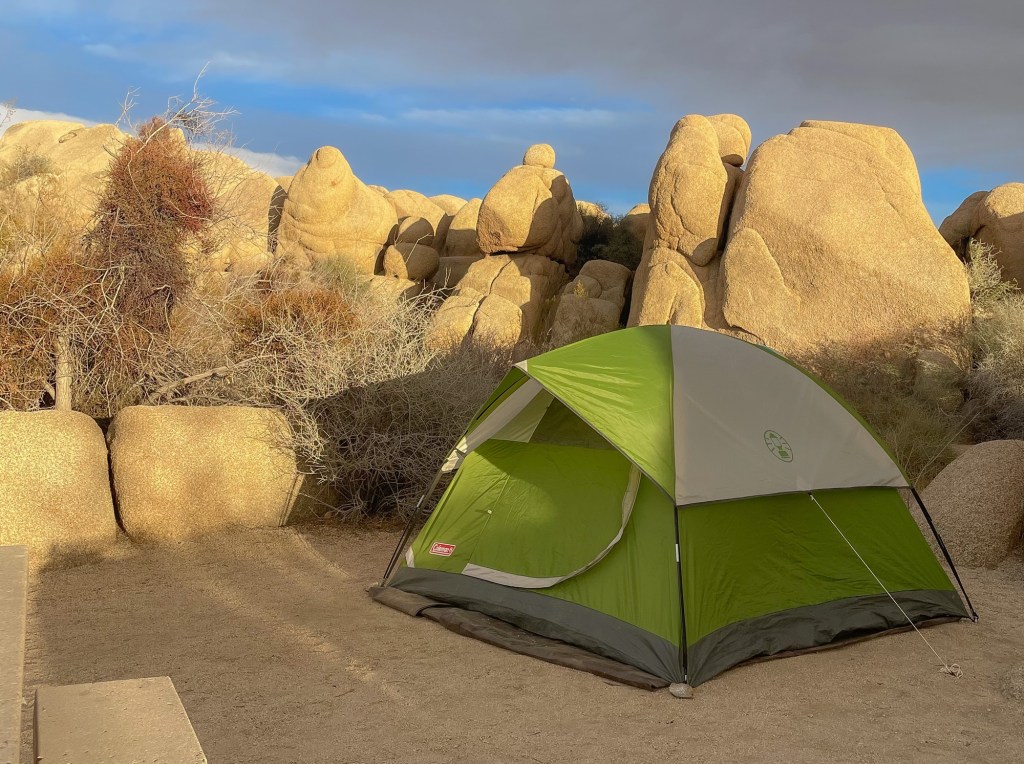

I decided to sleep in the tent that night, which turned out to be a bad choice. It was stormy and loud with strong winds all night. I stayed warm thanks to some hand warmers, but between the flapping tent and the constant gusts, it wasn’t the most restful sleep.
Day 12: Wind and Admin
The wind didn’t let up much the next day, and since it’s probably my least favourite type of weather (too loud, too much going on, too overstimulating, etc…), I spent most of the day hiding out in the car catching up on admin. We decided to pack up the tent that afternoon because neither of us wanted to brave the elements that night and we wanted to be ready for an early departure the next morning.


Day 13 and 14: Heading home
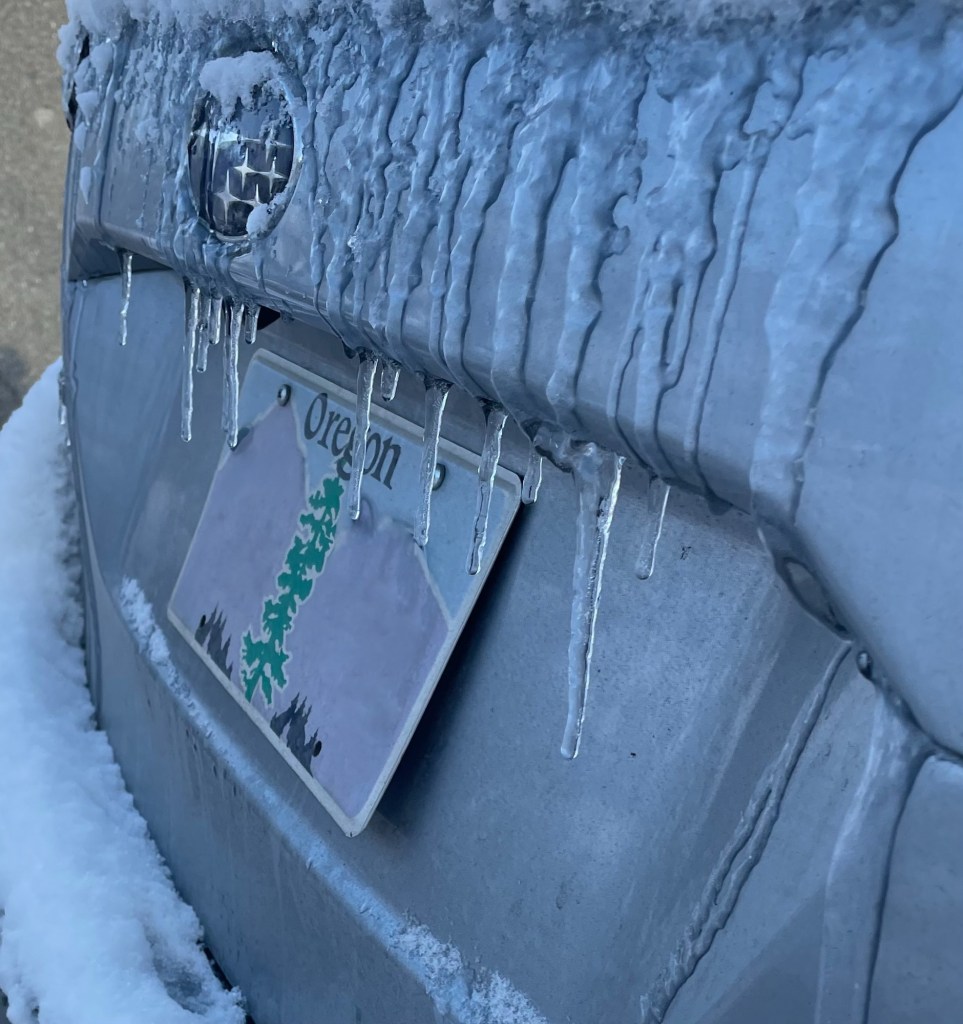
That ended up being a great call because we woke up to about 5 cm (2 inches) of snow. It completely changed the feel of the park. The usual dusty desert tones were replaced with soft whites and muted colours. The snow made the rock formations look even more dramatic, and the quiet stillness in the air was magical.
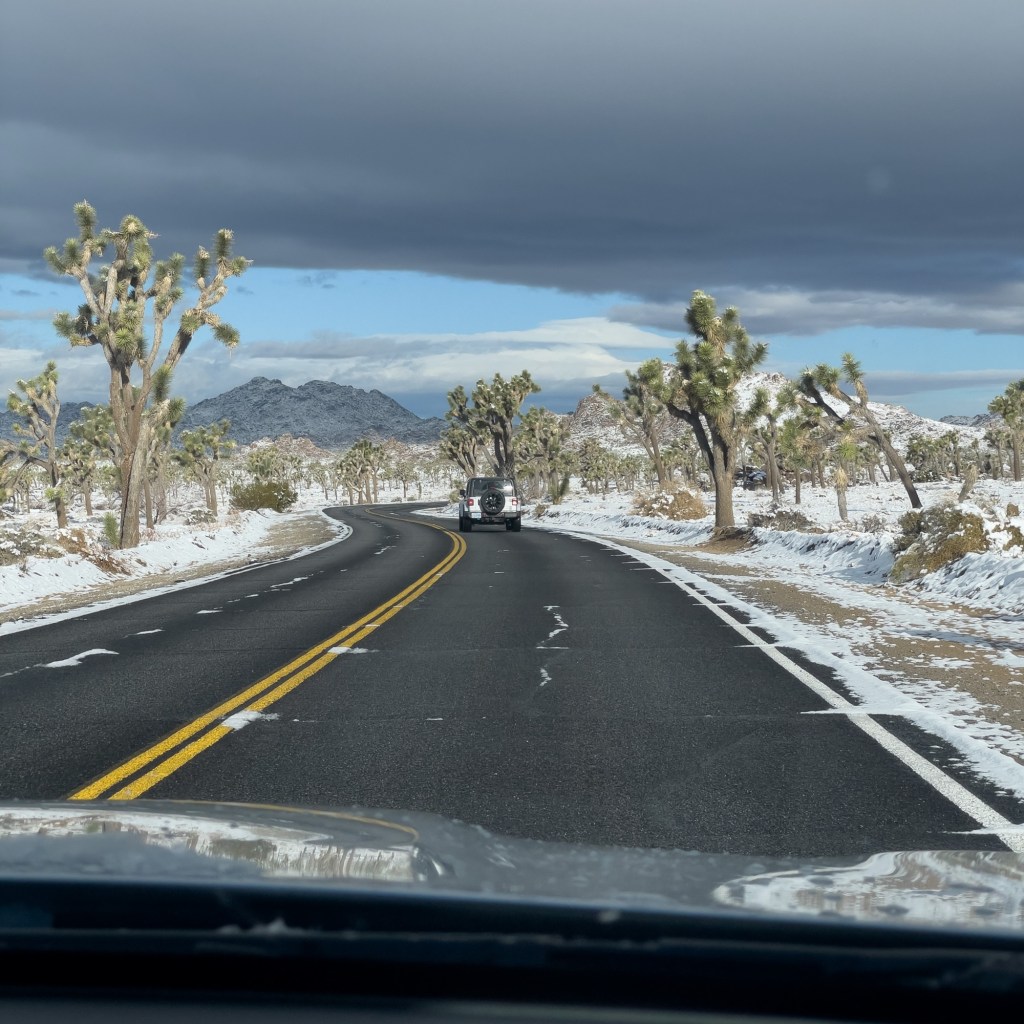
After packing up the last few things, we started our journey north. It took us two full days of driving to get back. We stopped in Sacramento for a night to rest in a hotel, then pushed through the final eight hours back to our starting point in Oregon. It was a long drive, but the perfect way to wind down after an incredible adventure through some of the Southwest’s most stunning landscapes.
 Landscape Lens
Leave a comment